





Capital gains tax
Contents |
[edit] Overview
Capital Gains Tax (CGT) is levied on the profit that is made when something is sold, gifted, swapped or otherwise disposed of.
The following assets are liable to Capital Gains Tax:
- Property. If it is not the main home (unless it is let out, used for business or larger than 5,000 square metres).
- Shares that are not in a NISA, ISA or PEP.
- Personal possessions that are worth more than £6,000 (apart from a personal car).
- Business assets.
- Overseas assets.
[edit] Property
Property that is liable to Capital Gains Tax includes:
- Second homes.
- Any rental properties.
- Business premises.
- Land, including agricultural land.
The selling of a main home will not generally be liable to Capital Gains Tax and may be eligible for Private Residence Relief.
[edit]
The investments that are liable to Capital Gains Tax include:
[edit] Personal possessions
The majority of personal possessions that are worth more than £6,000 are liable to Capital Gains Tax, including:
- Jewellery.
- Antiques.
- Paintings.
- Coins and stamps.
- Possessions that are part of a set, such as matching vases (the threshold applies to the set as a whole).
[edit] Business assets
Numerous business assets are liable to Capital Gains Tax and typically include:
- Buildings and land.
- Fixtures and fittings.
- Shares.
- Plant and machinery.
- Goodwill.
- Registered trademarks.
[edit] Overseas assets
For residents in the UK, overseas assets are liable to Capital Gains Tax, including:
- Holiday homes.
- Shares in a foreign company.
- Land abroad purchased for development.
[edit] When Capital Gains Tax is not required
Capital Gains Tax is only required on any gains which are in excess of the tax-free allowance, which for 2013-2014 is:
- £10,900 for individuals.
- £5,450 for trustees.
It is not normally necessary to pay Capital Gains Tax on gifts between husband and wife, civil partner or to charities. In addition, Capital Gains Tax on inheritance is typically only required when an asset is sold.
The following assets are not liable:
- Personal car.
- Personal possessions that are disposed of for less than £6,000.
- Main home.
- Any tax free investment savings accounts e.g. ISAs and PEPs.
- Winnings from the lottery, betting or the pools.
- UK government gilts and Premium Bonds.
- Personal injury compensation.
- Foreign currency for personal use.
[edit] Rates for Capital Gains Tax
The rates for Capital Gains Tax for 2013-14 are:
- 18% and 28% for individuals (dependent on the total amount of taxable income).
- 28% for trustees or for personal representatives of someone who has died.
- 10% for sole traders or partnerships with gains qualifying for Business Asset Disposal Relief or BADR (formerly known as Entrepreneurs' Relief).
[edit] Reporting Capital Gains Tax
If Capital Gains Tax needs to be paid, HM Revenues and Customs (HMRC) will require notification through a tax return. This can be completed online or alternatively on paper.
[edit] Record keeping
It is necessary to maintain any records for at least one year after the Self Assessment deadline and businesses must maintain records for 5 years after the deadline.
[edit] Related articles on Designing Buildings Wiki.
- Business Asset Disposal Relief BADR.
- Business rates.
- Capital.
- Capital allowances.
- Capital gain.
- PAYE.
- Stamp duty.
- Taxes associated with selling a business.
- Tax relief.
- VAT.
[edit] External references
Featured articles and news
Costs and insolvencies mount for SMEs, despite growth

Construction sector under insolvency and wage bill pressure in part linked to National Insurance, says report.
The place for vitrified clay pipes in modern infrastructure
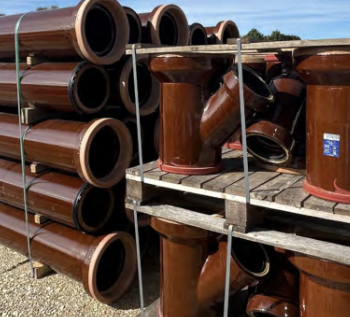
Why vitrified clay pipes are reclaiming their role in built projects.

Research by construction PR consultancy LMC published.
Roles and responsibilities of domestic clients

ACA Safety in Construction guide for domestic clients.
Fire door compliance in UK commercial buildings

Architect and manufacturer gives their low down.
Plumbing and heating for sustainability in new properties
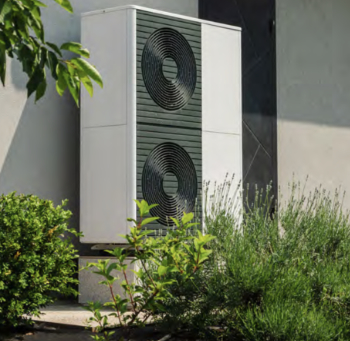
Technical Engineer runs through changes in regulations, innovations in materials, and product systems.
Awareness of the Carbon Border Adjustment Mechanism
What CBAM is and what to do about it.
The new towns and strategic environmental assessments
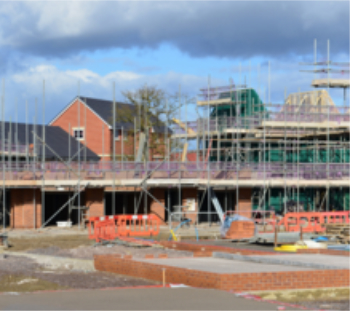
12 locations of the New Towns Taskforce reduced to 7 within the new towns draft programme and open consultation.
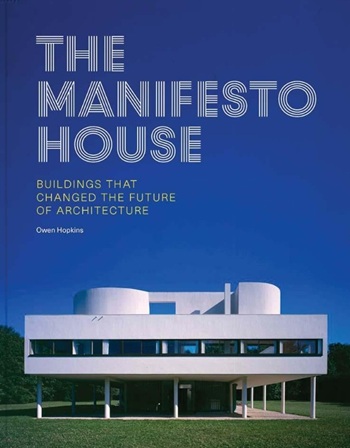
Buildings that changed the future of architecture. Book review.
The Sustainability Pathfinder© Handbook
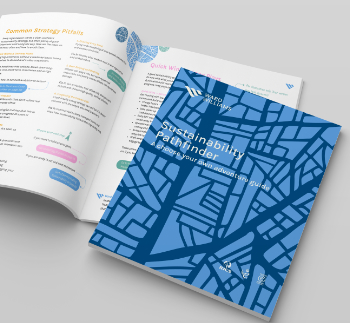
Built environment agency launches free Pathfinder© tool to help businesses progress sustainability strategies.
Government outcome to the late payment consultation, ECA reacts.
IHBC 2025 Gus Astley Student Award winners
Work on the role of hewing in UK historic conservation a win for Jack Parker of Oxford Brookes University.
Future Homes Building Standards and plug-in solar
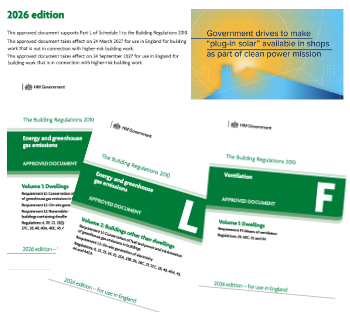
Parts F and L amendments, the availability of solar panels and industry responses.
How later living housing can help solve the housing crisis
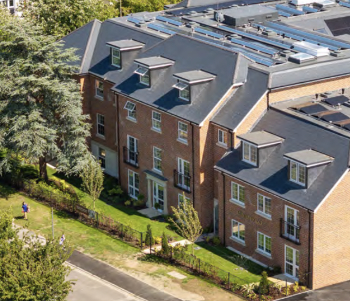
Unlocking homes, unlocking lives.
Preparing safety case reports for HRBs under the BSA
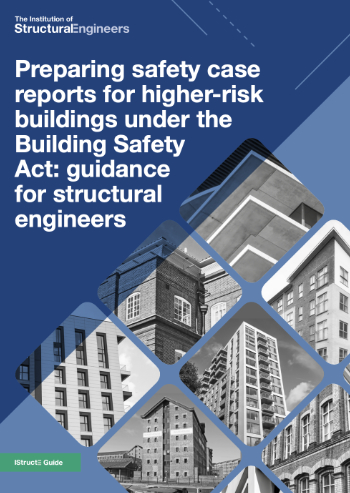
A new practical guide to preparing structural inputs for safety cases and safety case reports published by IStructE.
Male construction workers and prostate cancer

CIOB and Prostate Cancer UK encourage awareness of prostate cancer risks, and what to do about it.