





Benchmark land value BLV
Benchmark land values (BLV) are generally set as a multiple of agricultural use values, which are typically in the region of £20,000 - £25,000 per hectare, and as a percentage uplift on non-agricultural brownfield use values. The government note that views of appropriate premia above existing use values vary: for agricultural land, a recent academic paper (Independent Review of Build Out - Final Report) suggested BLVs of three times existing use value; the Letwin Review of Build Out (fine-margins_viability-assessments-in-planning-and-plan-making.pdf (lichfields.uk)) suggested ten times existing use value; Lichfields found that local planning authorities set BLVs of between 10- and 40-times existing use value. These BLVs do not necessarily relate to Green Belt land, which is subject to severe restrictions on development. The UK Government is particularly interested in the impact of setting BLV at the lower end of this spectrum and has included this as part of a consultation on the changes to the NPPF Proposed reforms to the National Planning Policy Framework and other changes to the planning system.
[edit] Related articles on Designing Buildings
- Additionality.
- Baseline.
- Base year.
- Benchmarking as business tool.
- Benchmarking in the construction industry.
- Business case.
- Carbon Buzz.
- Cash flow statement.
- Compound Annual Growth Rate (CAGR).
- Consultant team.
- Contingency.
- Design review.
- Design quality.
- Development appraisal.
- Discounted cash flow.
- Drawdown.
- Earned value analysis.
- Estimate.
- Funding options.
- Funding prospectus.
- Identifying the causes of trends in construction labour productivity.
- Investment.
- Investment Property Databank (IPD).
- Key performance indicators.
- Pareto analysis.
- Overage.
- Productivity in construction: Creating a framework for the industry to thrive.
- Property valuation.
- Public sector comparator.
- Residual valuation of land.
- Residual value insurance.
- Site selection and acquisition.
- Site appraisal.
- Site information.
- Site surveys.
- Speculative construction.
- Surveyor.
- Value management techniques.
- Vested outsourcing.
- What is a valuer?
- Whole-life costs.
- Yield.
- Whole-life costs.
Featured articles
Check out some of the best features and news from Designing Buildings as well as key stories from around the web.

Confronting competency, codes, capacity and costs.

The hidden risk in modern construction supply chains.
Construction Management, 10 June

24 months to 14: CITB launches accelerated apprenticeships.
Bridging the gap between clients and contractors

Concerns remain around contractor quality, capability, and delivery.
Construction Management, 10 June.

Heat pumps beat boilers in new home tests.
Building Safety Act implementation in Wales

CIAT to host industry panel on 26 June.

New and updated CLC building safety guidance.
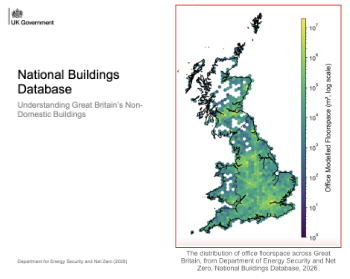
New UK National Buildings Database.
Building Safety Wiki Interviews

Chief executive of the British Woodworking Federation.
Planning condition discharge in England and Wales

A brief explanation from a building compliance expert, with further links.
Overheating guidance and tools for building designers

Guidance for dealing with element of building fabric control that have increasing importance.