





Order of cost estimate
The purpose of an order of cost estimate is to establish affordability of a proposed development for a client.
Methods for preparing order of cost estimates are set out in the New Rules of Measurement:
- NRM 1: Order of cost estimating and cost planning for capital building works
- NRM 3: Order of cost estimating and cost planning for building maintenance works.
NRM1 defines an order of cost estimate as; '...the determination of possible cost of a building(s) early in design stage in relation to the employer’s fundamental requirements. This takes place prior to preparation of a full set of working drawings or bills of quantities and forms the initial build-up to the cost planning process.'
A wide range of information may be required from the parties to the project to prepare an order of cost estimate:
From the employer:
- Location and availability of site.
- Statement of building use and size.
- Any refurbishment requirements.
- Initial project/design brief.
- Enabling works details.
- Draft programme.
- Site conditions.
- Budget/cash flow constraints.
- Construction procurement options.
- Life span of the proposed building.
From the architect:
- Design study sketches or drawings.
- Schedules of areas.
- Legislative constraints.
- Initial risk register.
Information can also be provided by the services engineer, structural engineer, and other consultants if these have been appointed.
The key constituents of an order of cost estimate are typically:
- Facilitating works.
- Building works.
- Contractor’s preliminaries.
- Contractor’s overheads and profit.
- Construction cost.
- Fees.
- Other development/project costs.
- Risk allowances.
- Inflation.
Cost prediction, Professional Statement, 1st edition, published in November 2020 by the Royal Institution of Chartered Surveyors (RICS), defines an order of cost estimate as: ‘An estimate based on benchmark data for a similar type of project based on a defined brief.’
[edit] Related articles on Designing Buildings
Featured articles
Check out some of the best features and news from Designing Buildings as well as key stories from around the web.
Mayors are to be given planning call in powers

Mayors across England will be able to make the most important planning decisions.
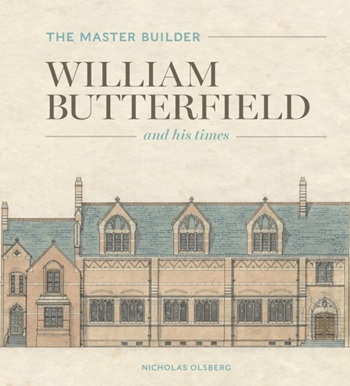
The Master Builder: William Butterfield and his times. Book review.

Why construction can't afford to ignore the skills gap.
Building Safety Regulator, 19 August

Gill Kernick appointed Independent Chair of Residents’ Panel.
Connecting knowledge, technology and conservation
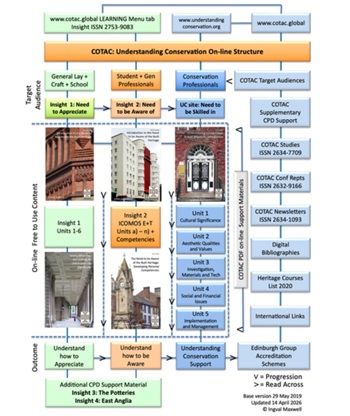
Building competence for the future of built heritage.
Building Regulations and Building Safety Act

CIOB publishes free advice for non-domestic clients.

Building Safety Newsletter from MHCLG.

An extraordinary record of steel engineering worldwide.

Households living near new pylons to save on bills.

ECA warns growth must not outpace grid capacity or skills.
The role of the client and decision making

CIOB response to built environment professions call for evidence.
Construction's sustainability reporting revolution

Tracking upfront embodied carbon with digital tools.
Comments
[edit] To make a comment about this article, or to suggest changes, click 'Add a comment' above. Separate your comments from any existing comments by inserting a horizontal line.