





Householder developments
Housing statistics and English Housing Survey, glossary, published by the Department for Levelling Up, Housing and Communities in 2019, suggests that householder developments are those within the curtilage of a dwelling house which require an application for planning permission and are not a change of use.
This includes: extensions, conservatories, loft conversions, dormer windows, alterations, garages, car ports or outbuildings, swimming pools, walls, fences, domestic vehicular accesses including footway crossovers, porches and satellite dishes. Granny annexes have been included with effect from 1 July 2014, having previously been recorded under dwellings.
It excludes: applications relating to any work to one or more flats, applications to change the number of dwellings (flat conversions, building a separate house in the garden), changes of use to part or all of the property to non-residential (including business) uses, or anything outside the garden of the property (including stables if in a separate paddock).
Householder developments that do not require an application for planning permission are also excluded – e.g. for extensions, these include those for which permitted development rights exist, including larger householder extensions (as defined under Permitted development rights) for which local authority prior approval is needed, and those that satisfy other conditions within the General Permitted Development Order, for which prior approval is not needed, and for which data are therefore not collected.
[edit] Related articles on Designing Buildings
Featured articles
Check out some of the best features and news from Designing Buildings as well as key stories from around the web.

The heritage of nuclear and conventional power stations.
New measures to stop people being ripped off

Government to protect families from cowboy builders and aggressive bailiffs.

New Futurebuild showcase brings an innovation-first approach.
National Planning Policy Framework
Understanding the 2026 changes.
ECA's public affairs priorities

Member consultation opens to shape priorities for 2027 to 2030.

Dutyholder responsibilities from 1 July 2026.
Where performance meets practice

The Building Envelope Stage at UKCW Birmingham.

CIAT publishes briefing on planning reforms.
Leaders in Learning for Practice Network

Call for conservation leaders in learning to register interest in new network.
The importance of early engagement

Construction lessons from the Trillium HealthWorks Experience Centre.
Mayors are to be given planning call in powers
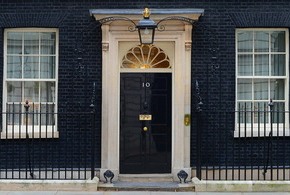
Mayors across England will be able to make the most important planning decisions.

The Master Builder: William Butterfield and his times. Book review.
Comments
[edit] To make a comment about this article, click 'Add a comment' above. Separate your comments from any existing comments by inserting a horizontal line.