





Design manager
Design managers initially emerged in contractor organisations as they started undertaking a portion of design, which involved their specialist sub-contractors. They can also be known as design co-ordinators.
Traditionally the contractor was presented with a well-developed design that had been produced by the client’s designers. The detailed design of elements such as cladding, lifts, services and joinery were left to the construction stage once the main contractor and its sub-contractors had been appointed.
However, the movement towards management types of contract, private finance initiatives and design build contracts started to put contractors into more of a client role, responsible for developing the building design from the client's brief and sometimes even developing the initial concept design. This was a big jump in terms of the skill set of the design manager and some would say it was usurping the pre-construction role of the project manager.
This new role favours individuals with training in design as well as an understanding of the contracting processes. The design manager has an enabling and co-ordinating role, but is not acting as a designer themselves. The role should not be confused with the lead designer, who heads the decision making and co-ordination of the actual design, or with the lead consultant, who directs the work of the entire consultant team.
The main tasks of the design manager are to:
- Establish a platform for good communication and collaboration between relevant parties and thereby an effective flow of design and production information.
- De-risk design problems by finding solutions before they materialise.
- Contribute to planning and co-ordination in a way that adds value to the processes.
- Prepare, manage and secure all-party ownership of an integrated design programme.
The role requires various capabilities, including:
- An all round basic knowledge of the construction and property industry.
- A good grasp of the technical aspects of design and construction matters, systems and processes.
- An understanding of planning applications, building regulations, codes of practice, environmental and health and safety regulations.
- Planning and programming skills.
- Legal, commercial and contractual knowledge.
- Negotiating and people skills.
- Presentation skills.
All this means that design managers require considerable experience and so tend to come from the ranks of the professions or from design and build contracting organisations and will have experience on a wide number of projects.
The advent of Building Information Modelling (BIM) may present an opportunity for design managers to acquire new skills and establish themselves as the independent controller of the BIM model on behalf of all parties.
[edit] Related articles on Designing Buildings Wiki:
- Commercial manager.
- Contractors designed portion.
- Design and build.
- Designers.
- Design coordination.
- Design coordinator.
- Design liability.
- Design management.
- Design management plan.
- Design responsibility matrix.
- Lead designer.
- Lead consultant.
- Management contract.
- PFI.
- Project manager.
- Specialist designers.
- Sub-contractors.
[edit] External references
- The Design Manager Handbook - author John Eynon, published by CIOB & Wiley-Blackwell.
Featured articles
Check out some of the best features and news from Designing Buildings as well as key stories from around the web.
Changing expectations around competence and compliance

New information sheet from CIAT.
Grenfell investigation files passed to CPS

Angela Rayner apologises on behalf of the British state.

Electrical contractors need to understand the practical implications.

The real barrier to getting more value from digital technology.

Your guide to The Construction Reset at UKCW Birmingham.

Accommodating the Victorian and Edwardian working woman. Book review.
Rethinking passive fire protection in design

PFP demands the same level of design rigour as structure or services.

38% of Gen Zs feel safe when a fire door is wedged open.
Stunning images from around the world
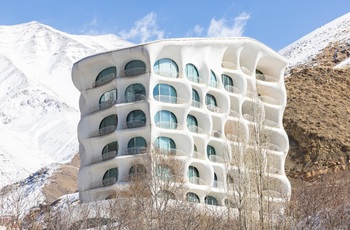
Shortlist for CIOB’s Art of Building photography competition.

Guidance for conversion of traditional pre-1919 stone buildings.
Industrial heritage in the Ruhr
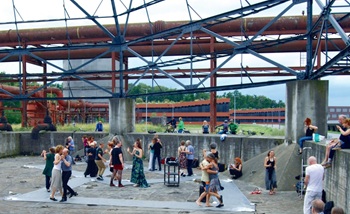
A marked difference to the fate of industrial landscapes in the UK.

Communities will be able to build their own clean energy.
Comments
To start a discussion about this article, click 'Add a comment' above and add your thoughts to this discussion page.