





Design life
The design life (or design service life) of a building, other structure or component, is the period of use as intended by the designer after which it may need to be replaced. Before this period has elapsed, it should remain fit for purpose.
Design life will vary according to the type and use of the element being considered. BS EN 1990, Eurocode - Basis of structural design, (Eurocode 0) gives indicative design lives for various types of structure:
- Category 1: Temporary structures, not including structures or parts of structures that can be dismantled with a view to being re-used – 10 years.
- Category 2: Replaceable structural parts, e.g. gantry girders, bearings – 10 to 25 years.
- Category 3: Agricultural and similar buildings – 15 to 30 years.
- Category 4: Building structures and other common structures – 50 years.
- Category 5: Monumental building structures, bridges and other civil engineering structures – 100 years.
The design life of some components may be affected by environmental factors such as:
- Moisture, humidity and rain.
- Wind.
- Temperature and temperature fluctuations.
- Pollution.
- Solar radiation.
It may also be affected by considerations such as maintenance practices, intensity of use, and so on.
There is no legally agreed definition of design life (in fact, there is not even a legally agreed definition of 'design'), so if it is to be included in contract documentation as a performance requirement, it is important that it is carefully defined within the contract documents and that it is consistent with all other requirements in the contract documents.
Several other definitions have been developed to quantify the life of buildings, structures and their components, including:
[edit] Related articles on Designing Buildings
- Cradle-to-grave.
- Decommissioning.
- Demolition.
- Economic life.
- End of life potential.
- Fitness for purpose.
- Functional life.
- Life.
- Life cycle.
- Life cycle assessment.
- Obsolescence.
- Permanent structure.
- Re-evaluating the design life of buildings.
- Required life.
- Service life.
- Structures at the end of their design life.
- Technical life.
- Temporary structure.
- Useful life.
- Utilising life cycle costing and life cycle assessment.
- Whole-life costs.
- Whole-life value.
Featured articles
Check out some of the best features and news from Designing Buildings as well as key stories from around the web.

Accommodating the Victorian and Edwardian working woman. Book review.
Rethinking passive fire protection in design

PFP demands the same level of design rigour as structure or services.

38% of Gen Zs feel safe when a fire door is wedged open.
Stunning images from around the world
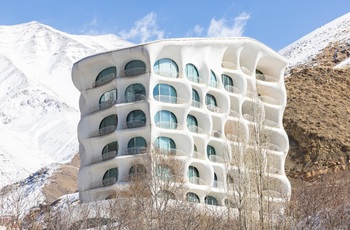
Shortlist for CIOB’s Art of Building photography competition.
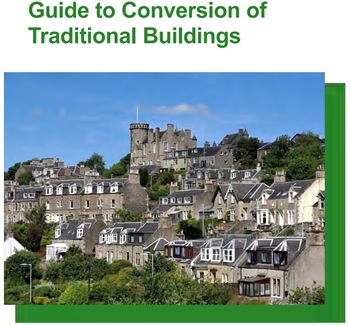
Guidance for conversion of traditional pre-1919 stone buildings.
Industrial heritage in the Ruhr
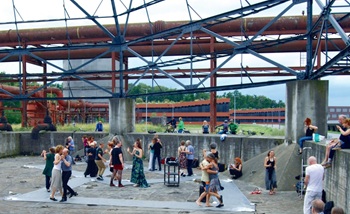
A marked difference to the fate of industrial landscapes in the UK.

Communities will be able to build their own clean energy.
Why diversity and inclusion matters for SMEs

CIOB’s D&I Charter shows how practical changes can support long-term growth.
Cut electricity bills to power growth

Coalition sends joint letter to the Chancellor.

Gasholders: a history in pictures. Book review.
Recognition, influence and growth

SocEnv identifies three strategic pillars in new strategy to 2045.
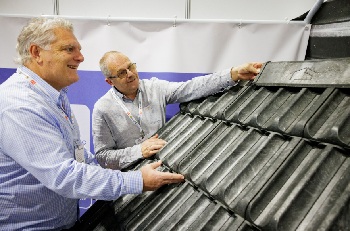
Discover the future of roofing, cladding and insulation.
Comments