






Unfired clay masonry: An introduction to low-impact building materials
BRE (Building Research Establishment) is an independent, research-based consultancy, testing and training organisation, operating in the built environment and associated industries.
Unfired clay masonry: An introduction to low-impact building materials, was written by A Sutton, D Black and P Walker and published by BRE on 18 October 2011.
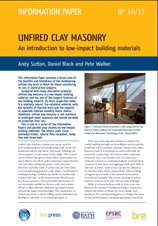
It is one of a series of five information papers and case studies about low-impact building materials, which also cover; hemp lime, straw bale, cross-laminated timber and natural fibre insulation.
In comparison with some alternative construction products, unfired clay masonry is relatively low-impact, and it has one of the longest histories of use of any building material. It is relatively robust, fire-resistant, has high thermal mass and has the capacity to moderate internal humidity levels. However, unless stabilised, it is not resistant to prolonged water exposure and so it normally requires protection from rain.
This 6-page information paper provides an overview of the pros and cons of non-loadbearing unfired clay brick and block. It is intended for those considering the use of this material on construction projects.
[edit] Related articles on Designing Buildings Wiki
- Adobe.
- Arup and Better Shelter at the Working Together For Disaster Relief conference.
- Blockwork.
- BRE articles on Designing Buildings Wiki.
- BRE Buzz articles on Designing Buildings Wiki.
- BRE Buzz.
- Brick.
- Building Research Establishment.
- Clay.
- Cob building.
- Cross-laminated timber.
- Defects in brickwork
- Defects in stonework.
- Earth building.
- Earthen construction.
- Green building.
- Hempcrete.
- Masonry.
- Parapet.
- Practical Building Conservation: Earth, Brick and Terracotta.
- Straw bale construction.
- Terracotta.
Featured articles and news
Costs and insolvencies mount for SMEs, despite growth
Construction sector under insolvency and wage bill pressure in part linked to National Insurance, says report.
The place for vitrified clay pipes in modern infrastructure
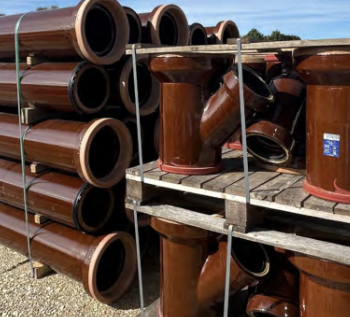
Why vitrified clay pipes are reclaiming their role in built projects.
Research by construction PR consultancy LMC published.
Roles and responsibilities of domestic clients
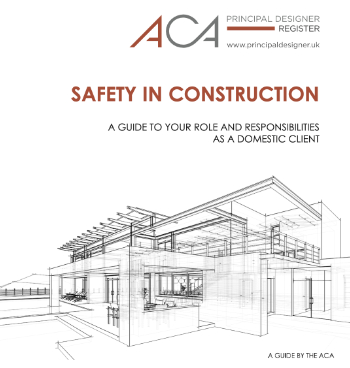
ACA Safety in Construction guide for domestic clients.
Fire door compliance in UK commercial buildings

Architect and manufacturer gives their low down.
Plumbing and heating for sustainability in new properties
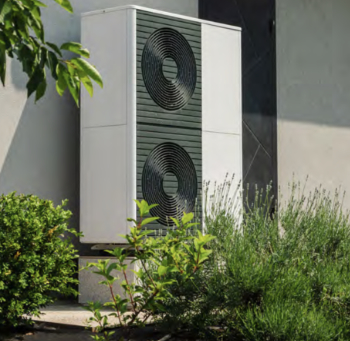
Technical Engineer runs through changes in regulations, innovations in materials, and product systems.
Awareness of the Carbon Border Adjustment Mechanism
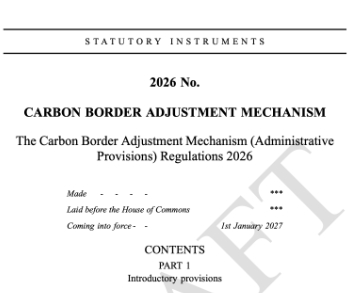
What CBAM is and what to do about it.
The new towns and strategic environmental assessments
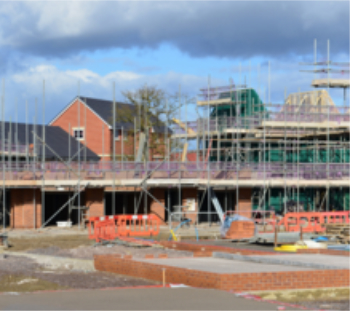
12 locations of the New Towns Taskforce reduced to 7 within the new towns draft programme and open consultation.
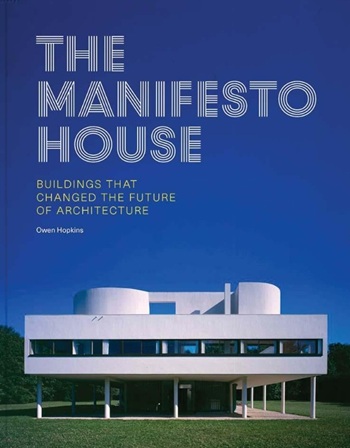
Buildings that changed the future of architecture. Book review.
The Sustainability Pathfinder© Handbook
Built environment agency launches free Pathfinder© tool to help businesses progress sustainability strategies.
Government outcome to the late payment consultation, ECA reacts.
IHBC 2025 Gus Astley Student Award winners
Work on the role of hewing in UK historic conservation a win for Jack Parker of Oxford Brookes University.
Future Homes Building Standards and plug-in solar
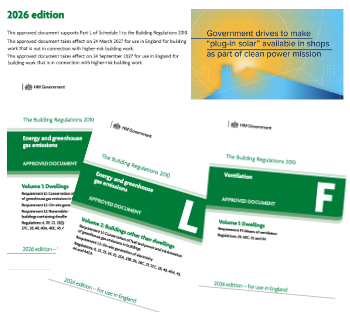
Parts F and L amendments, the availability of solar panels and industry responses.
How later living housing can help solve the housing crisis
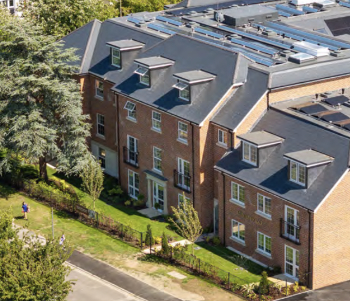
Unlocking homes, unlocking lives.
Preparing safety case reports for HRBs under the BSA
A new practical guide to preparing structural inputs for safety cases and safety case reports published by IStructE.
Male construction workers and prostate cancer

CIOB and Prostate Cancer UK encourage awareness of prostate cancer risks, and what to do about it.