






Reducing thermal bridging at junctions when designing and installing solid wall insulation FB 61
BRE (Building Research Establishment) is an independent, research-based consultancy, testing and training organisation, operating in the built environment and associated industries.
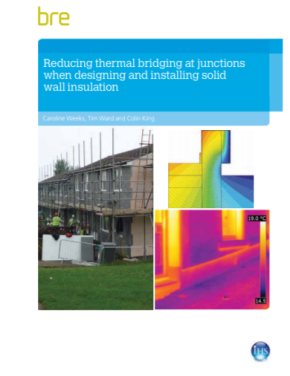
Reducing thermal bridging at junctions when designing and installing solid wall insulation (FB 61) was written by Caroline Weeks, Tim Ward and Colin King and published by BRE on 19 December 2013.
Improving the energy efficiency of the existing building stock is one of the biggest challenges facing the UK. In particular, traditional solid wall homes are more difficult and more costly to improve than more modern, cavity wall constructions.
Current practice during refurbishment does little or nothing to minimise the effects of thermal bridging or inconsistencies in the thermal performance of the building envelope.
This guide sets out clear principles and methods that should be considered during the design and installation of solid wall insulation to reduce thermal bridging effects, and to minimise carbon dioxide emissions and the risk of condensation. The effect of installing external and internal wall insulation in typical solid wall homes has been modelled for junctions with windows, eaves, floors and party walls. Potential problems are considered, and examples are given from recent refurbishment projects in which BRE has been involved.
This report will be useful for public and private clients looking to improve the performance of their properties and for architects and other designers, specifiers and installers.
Its contents are:
- Executive summary.
- Introduction.
- Background-Risks associated with thermal bridging.
- Detailing of external wall insulation.
- Detailing of internal wall insulation.
- Comparing the overall thermal performance of external and internal insulation.
- References.
[edit] Related articles on Designing Buildings Wiki
Featured articles and news

Electrical contractors welcome crackdown on late payment and push for clean energy.
Cyber Security in the Built Environment
Protecting projects, data, and digital assets: A CIOB Academy TIS.
Managing competence in the built environment
ITFG publishes new industry guide on how to meet the ICC principles.
The UK's campaign to reduce noise pollution: Mythbusting, articles and topic guides.
Setting Expectations on Competence Management
Industry Competence Committee.
New Scottish and Welsh governments
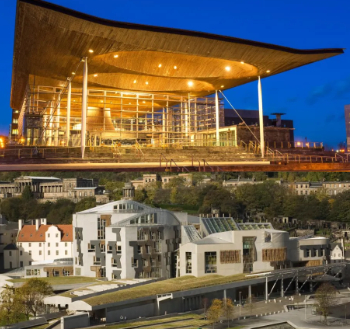
CIOB stresses importance of construction after new parliament elections.
The sad story of Derby Hippodrome
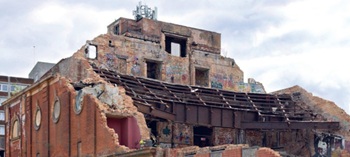
An historic building left to decay.

ECA, JIB and JTL back Fabian Society call to invest in skills for a stronger built environment workforce.

Women's Contributions to the Built Environment.
Calls for the delayed Circular Economy Strategy

Over 50 leading businesses, trade associations and professional bodies, including CIAT, and UKGBC sign open letter.
The future workforce: culture change and skill

Under the spotlight at UK Construction Week London.
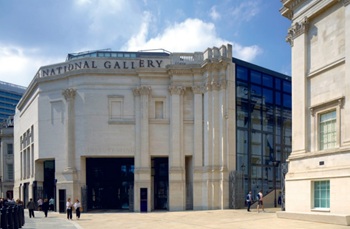
A landmark moment for postmodern heritage.
A safe energy transition – ECA launches a new Charter
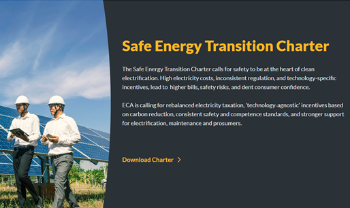
Practical policy actions to speed up low carbon adoption while maintaining installation safety and competency.
Frank Duffy: Researcher and Practitioner

Reflections on achievements and relevance to the wider research and practice communities.
The 2026 Compliance Landscape: Fire doors

Why 'Business as Usual' is a Liability.
Cutting construction carbon footprint by caring for soil

Is construction neglecting one of the planet’s most powerful carbon stores and one of our greatest natural climate allies.