





Girder

A girder is a large and deep type of beam that is used in construction. It is typically capable of longer spans and taking greater loads than a normal beam, and is often used as a main horizontal structural support for smaller beams, such as in bridge construction.
There are several different types of girder available depending on circumstances, and the load they are required to support:
- Smaller steel girders can be 'rolled' into the required shape. When girders become larger however, a standard rolled shape may not be available and a plate girder may have to be fabricated instead.
- A plate girder is typically an I-beam cross-section made up of separate structural steel plates which are welded, bolted or riveted together to form the deeper vertical web and narrower horizontal flanges of the beam. Plate girders are commonly-used for spans of up to 15m.
- A gantry girder is used for a gantry crane - typically consisting of two ‘A’ frames connected by a lattice cross member which straddles the work area. The lifting gear is suspended from the horizontal girder and can move along it on rails. For more information, see Types of crane.
- A box girder is fabricated from steel plates used to form a rectangular box. This resists torsion better than a plate girder and can be used when depth constraints mean a plate girder cannot be made deeper.
[edit] Find out more
[edit] Related articles on Designing Buildings Wiki
Featured articles and news
The sad story of Derby Hippodrome
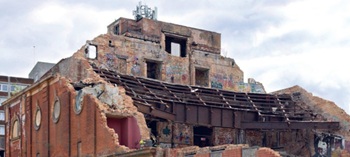
An historic building left to decay.

ECA, JIB and JTL back Fabian Society call to invest in skills for a stronger built environment workforce.

Women's Contributions to the Built Environment.
Calls for the delayed Circular Economy Strategy

Over 50 leading businesses, trade associations and professional bodies, including CIAT, and UKGBC sign open letter.
The future workforce: culture change and skill

Under the spotlight at UK Construction Week London.
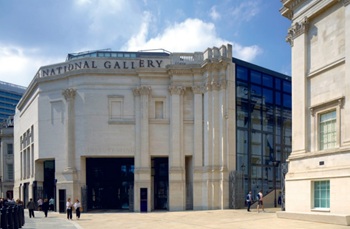
A landmark moment for postmodern heritage.
A safe energy transition – ECA launches a new Charter
Practical policy actions to speed up low carbon adoption while maintaining installation safety and competency.
Frank Duffy: Researcher and Practitioner
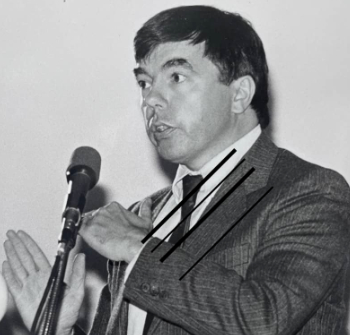
Reflections on achievements and relevance to the wider research and practice communities.
The 2026 Compliance Landscape: Fire doors

Why 'Business as Usual' is a Liability.
Cutting construction carbon footprint by caring for soil

Is construction neglecting one of the planet’s most powerful carbon stores and one of our greatest natural climate allies.
ARCHITECTURE: How's it progressing?
Archiblogger posing questions of a historical and contextual nature.
The roofscape of Hampstead Garden Suburb
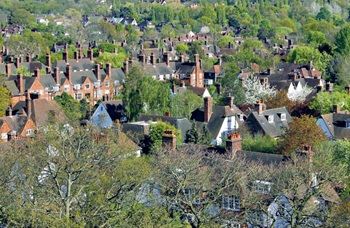
Residents, architects and roofers need to understand detailing.
Homes, landlords. tenants and the new housing standards

What will it all mean?