





Double glazing

The term 'glazing' refers to the glass component of a building's façade or internal surfaces.
Historically, the external windows of buildings were generally single glazed, consisting of just one layer of glass, however, a substantial amount of heat is lost through single glazing, and it also transmits a significant amount of noise, so mulit-layerd glazing systems were developed such as double glazing and triple glazing.
Double glazing comprises two layers of glass separated by a spacer bar (also known as a profile); a continuous hollow frame typically made of aluminium or a low heat-conductive material. The spacer bar is bonded to the panes using a primary and secondary seal which creates an airtight cavity, typically with 6-20 mm between the two layers of glass. This space is filled with air or with a gas such as argon, which improves the thermal properties of the window. Larger cavities may be provided to achieve greater sound reduction.
A desiccant in the spacer bar absorbs any residual moisture within the cavity, preventing internal misting as a result of condensation.
U-values (sometimes referred to as heat transfer coefficients or thermal transmittances) are used to measure how effective elements of a buildings fabric are as insulators. That is, how effective they are at preventing heat from transmitting between the inside and the outside of a building. Typically, the U-value of single glazing is around 4.8 to 5.8 W/m²K, whilst double glazing is around 1.2 to 3.7 W/m²K. NB Triple can achieve a U-value below 1 W/m²K.
Thermal performance is affected by the quality of the installation, the inclusion of thermal breaks in the frame, suitable weather seals, the gas used to fill the units, and the type of glass used. Low-e glass has a coating added to one or more of its surfaces to reduce its emissivity so that it reflects, rather than absorbs, a higher proportion of long-wave infra-red radiation..
The sound reduction achieved by single glazing (6 mm thick) is typically around 27 dB, whilst double glazing (100 mm air space) is around 42 dB.
The sound reduction achieved by double glazing is affected by:
- Good installation to ensure airtightness
- Sound absorbent linings to the reveals within the air space.
- The weight of glass used – the heavier the glass, the better the sound insulation.
- The size of air space between layers - up to 300 mm.
[edit] Related articles on Designing Buildings Wiki
- Air tightness in buildings.
- BFRC window rating scheme.
- Choosing the correct glazed facade heating system.
- Conservation rooflights.
- Domestic windows.
- Double glazing v triple glazing.
- Glass.
- Glazing.
- Low-E glass.
- Sash windows.
- Secondary glazing.
- Thermal conduction in buildings.
- Triple glazing.
- Types of window.
- U-values.
- Window.
Featured articles
Check out some of the best features and news from Designing Buildings as well as key stories from around the web.

ECA warns growth must not outpace grid capacity or skills.
The role of the client and decision making

CIOB response to built environment professions call for evidence.
Construction's sustainability reporting revolution
Tracking upfront embodied carbon with digital tools.
ECA welcomes procurement reforms

Public spending must back British jobs and skills.
Campaigning for Edinburgh: the Cockburn Association 1875-2049

The role of the civic voice in protecting character. Book review.

CIOB photography competition is open for entries.
ECA Edmundson apprentice of the year award

Finalists announced.
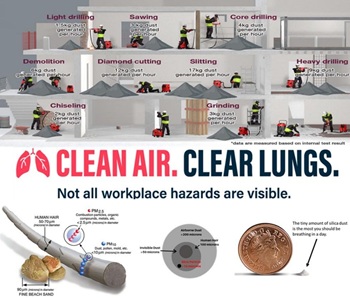
Major new study exposes serious knowledge gaps.
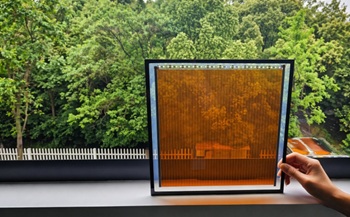
Generating energy from internal light as well as sunshine.

ECA welcomes plans to strengthen subcontractor quality control.

Combining mid-career qualifications with experience broadens career opportunities.

Why being a mentor can help your career.
Comments