






Westminster urged to focus on local skills improvement or face skilled electrician shortfall

Leading electrotechnical and engineering services body ECA has urged policymakers to rethink their approach to electrical skills development.
Speaking at the Westminster Employment Forum, ECA Chief Operating Officer Andrew Eldred warned ministers that individuals undertaking net zero electrical installations without the proper skills, knowledge, experience and behaviours are not competent, and potentially unsafe.
Andrew was joined at the event, titled Next steps for local skills improvement plans and regional skills in England, by speakers including Andy Burnham, Mayor of Greater Manchester; Parminder Kohli, Commissioner, Social Mobility Commission; Mark Hilton, Policy Delivery Director, Business LDN; and Suzanne Caldwell, Chief Executive, Cumbria Chamber of Commerce.
The forum focused on next steps for devolved skills policy and local skills improvement plans (LSIPs) in England, following the launch of the Local Skills Improvement Fund (LSIF).
ECA Chief Operating Officer Andrew Eldred said:
“The shortage of qualified electricians in England, intensified by a broken skills pipeline, poses a serious but solvable challenge to achieving national, regional and local net zero targets.
ECA urges policymakers, industry leaders and educators to endorse our Recharging Electrical Skills Charter to build a competent electrotechnical workforce which can deliver the essential expansion of net zero technologies, including solar PV, battery storage and electric vehicle charge points.”
Out of around 200,000 electricians practising in England, at least 35,000 currently lack industry recognised Level 3 qualifications. In addition, fewer than 10 per cent of the 20,000 learners currently enroling onto publicly funded classroom-based electrical courses each year subsequently progress into an apprenticeship.
To meet these challenges, ECA’s Recharging Electrical Skills Charter proposes a number of policy changes to upskill the existing electrical workforce and grow electrical apprentice starts in England from 7,500 to 10,000 annually.
Andrew Eldred added:
“Through closer engagement and coordination locally we can start to bring the number of apprentice starts up to a sustainable level. We can also create appropriate green upskilling opportunities for qualified electricians using the industry’s own ‘Electrician PLUS’ kitemark.
“Policymakers also need to recognise that the present Skills Bootcamp approach in England is not fit for purpose for equipping electricians with the right qualifications to install low-carbon technologies efficiently and safely.”
The Westminster conference brought industry and policymakers together to evaluate lessons learnt from the first phase of LSIP work, and to examine initiatives aimed at devolving skills and training provision to align with local strategies, as set out in the LSIPs published in August 2023.
ECA launched its Recharging Electrical Skills Charter at the House of Commons in November 2023. The Charter highlights the significance of the electrical contracting sector and electrical skills in achieving the UK's net zero goals.
Electrician PLUS was launched by The Electrotechnical Skills Partnership (TESP) in August 2023. It is a skills framework that focusses on the core competence of a qualified electrician as a foundation from which to upskill and train in low carbon installation.
This article was issued via Press Release as "ECA urges Westminster to focus on local skills improvement or face skilled electrician shortfall" on January 29, 2023.
--ECA
[edit] Related articles on Designing Buildings.
- Call for support in green electrical apprentice shortfall.
- Electrical sector skills recharge at the House of Commons, as skills shortage bites.
- ECA applauds Chancellor’s 2023 Autumn Statement payment reforms for SMEs.
- Electrical skills shortage in Eastern England.
- ECA helps Welsh Government consultation on Net Zero Skills.
- Industry responds to Prime Ministers Net Zero policy announcement.
- Net zero building higher education and the skills of the future.
- Net zero by 2050.
- Net Zero not possible without right skills.
- Net zero (whole life) carbon.
- Net zero strategy: build back greener.
- National Infrastructure Plan for Skills.
- National vocational qualification.
- Order books fill but skills shortages worry contractors.
- Payments for recruiting new apprentices.
- Recruiting and retaining talent in the construction industry.
- Skilled workforce unable to meet net zero ambitions.
- Skills.
- Skills shortage.
- Skilled workforce unable to meet net zero ambitions.
- Skills shortage.
- Solar energy workforce goals and the ECA Charter to recharge electrical skills.
Featured articles and news
Costs and insolvencies mount for SMEs, despite growth

Construction sector under insolvency and wage bill pressure in part linked to National Insurance, says report.
The place for vitrified clay pipes in modern infrastructure
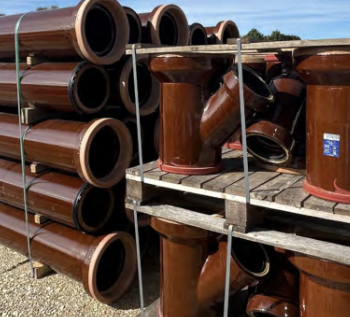
Why vitrified clay pipes are reclaiming their role in built projects.

Research by construction PR consultancy LMC published.
Roles and responsibilities of domestic clients

ACA Safety in Construction guide for domestic clients.
Fire door compliance in UK commercial buildings

Architect and manufacturer gives their low down.
Plumbing and heating for sustainability in new properties

Technical Engineer runs through changes in regulations, innovations in materials, and product systems.
Awareness of the Carbon Border Adjustment Mechanism
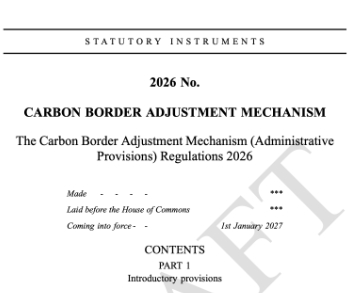
What CBAM is and what to do about it.
The new towns and strategic environmental assessments

12 locations of the New Towns Taskforce reduced to 7 within the new towns draft programme and open consultation.

Buildings that changed the future of architecture. Book review.
The Sustainability Pathfinder© Handbook
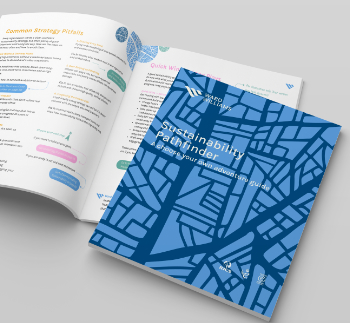
Built environment agency launches free Pathfinder© tool to help businesses progress sustainability strategies.

Government outcome to the late payment consultation, ECA reacts.
IHBC 2025 Gus Astley Student Award winners

Work on the role of hewing in UK historic conservation a win for Jack Parker of Oxford Brookes University.
Future Homes Building Standards and plug-in solar
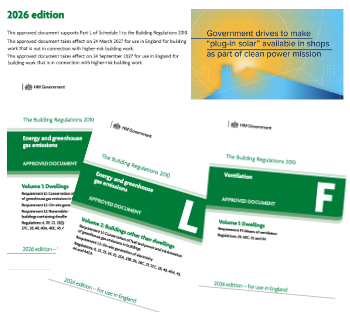
Parts F and L amendments, the availability of solar panels and industry responses.
How later living housing can help solve the housing crisis

Unlocking homes, unlocking lives.
Preparing safety case reports for HRBs under the BSA
A new practical guide to preparing structural inputs for safety cases and safety case reports published by IStructE.
Male construction workers and prostate cancer

CIOB and Prostate Cancer UK encourage awareness of prostate cancer risks, and what to do about it.