





Water vapour in the built environment

Water vapour is the phase of water (H2O) that takes the form of a gas. It is a component of the Earth’s hydrologic cycle and is abundant in the atmosphere.
Boiling liquid water can produce water vapour by a process of evaporation, while ice can produce water vapour via sublimation. The use of water vapour in the form of steam has been a fundamental part of energy production since the Industrial Revolution.
Air will generally include moisture in the form of water vapour. Absolute humidity is the mass of water vapour in a volume of air divided by the mass of dry air. When air cools, it is less able to 'hold' moisture, that is, the saturation water vapour density falls, and so the relative humidity rises. When the relative humidity reaches 100%, the air will be saturated. This is described as the dew point. If the air continues to cool, moisture will begin to condense.
For more information see: Humidity.
The presence of water vapour in a building can lead to problems with condensation and moisture which can result in mould growth, damp, staining, and so on.
Moisture in buildings can be reduced by removing or reducing the source of water (such as washing processes, leaking pipes, rising damp and so on) or by drainage, ventilation, increasing temperatures or dehumidification.
[edit] Related articles on Designing Buildings
Featured articles and news

ECA, JIB and JTL back Fabian Society call to invest in skills for a stronger built environment workforce.
Women's Contributions to the Built Environment.
Calls for the delayed Circular Economy Strategy
Over 50 leading businesses, trade associations and professional bodies, including CIAT, and UKGBC sign open letter.
The future workforce: culture change and skill

Under the spotlight at UK Construction Week London.
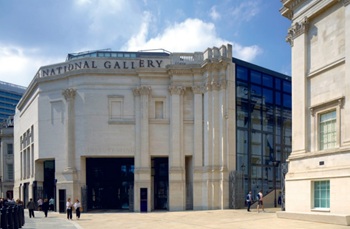
A landmark moment for postmodern heritage.
A safe energy transition – ECA launches a new Charter
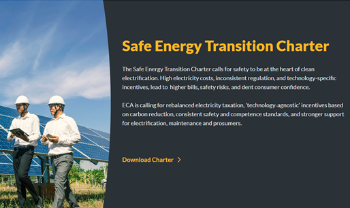
Practical policy actions to speed up low carbon adoption while maintaining installation safety and competency.
Frank Duffy: Researcher and Practitioner

Reflections on achievements and relevance to the wider research and practice communities.
The 2026 Compliance Landscape: Fire doors

Why 'Business as Usual' is a Liability.
Cutting construction carbon footprint by caring for soil
Is construction neglecting one of the planet’s most powerful carbon stores and one of our greatest natural climate allies.
ARCHITECTURE: How's it progressing?
Archiblogger posing questions of a historical and contextual nature.
The roofscape of Hampstead Garden Suburb
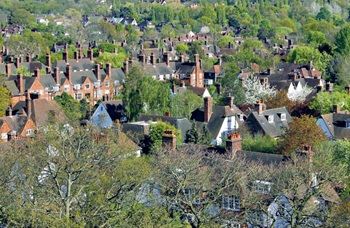
Residents, architects and roofers need to understand detailing.
Homes, landlords. tenants and the new housing standards
What will it all mean?
The Architectural Technology podcast: Where it's AT

Catch-up on the latest episodes.
Edmundson Apprentice of the Year award 2026

Entries now open for this Electrical Contractors' Association award.
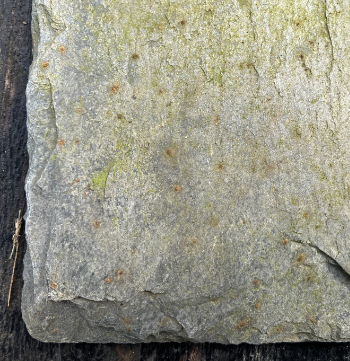
Traditional blue-grey slate from one of the oldest and largest UK slate quarries down in Cornwall.
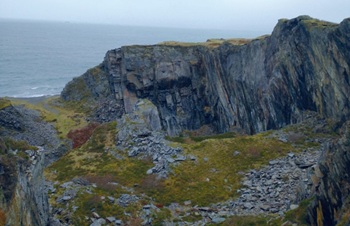
There are plenty of sources with the potential to be redeveloped.
Change of use legislation breaths new life into buildings

A run down on Class MA of the General Permitted Development Order.
Solar generation in the historic environment
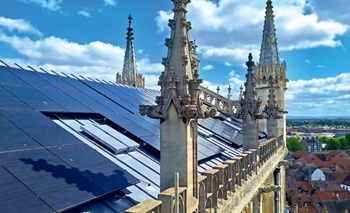
Success requires understanding each site in detail.