





The hallucination effect and AI
IBM defines AI hallucinations as 'a phenomenon wherein a large language model (LLM)—often a generative AI chatbot or computer vision tool—perceives patterns or objects that are nonexistent or imperceptible to human observers, creating outputs that are nonsensical or altogether inaccurate.'.
The 'CIOB Artificial Intelligence (AI) Playbook 2024', glossary of terms, published by the Chartered Institute of Building (CIOB) describes similalry where tools are ' unable to identify if the phrases they generate make sense or are accurate. This can sometimes lead to inaccurate results, also known as ‘hallucination’ effects, where large language models generate plausible sounding but inaccurate text. Hallucinations can also result from biases in training datasets or the model’s lack of access to up- to-date information.'
See generative AI, large language models and the long expanding list of AI tools for building planning, design, construction and management.
[edit] Related articles on Designing for Buildings
- AI building design tools
- Artificial intelligence and civil engineering.
- Artificial Intelligence and its impact on the project profession.
- Artificial intelligence and surveying.
- Artificial intelligence for smarter, safer buildings.
- Artificial intelligence in buildings.
- BSRIA publishes Artificial Intelligence in Buildings white paper.
- Building automation and control systems.
- Building information modelling.
- Computer aided design CAD.
- Computers in building design.
- Generative design.
- Global building automation.
- Internet of things.
- Parametric design.
- Predictive analytics.
- The impact of digital on civil engineering.
- The long expanding list of AI tools for building planning, design, construction and management.
Featured articles
Check out some of the best features and news from Designing Buildings as well as key stories from around the web.
Connecting knowledge, technology and conservation
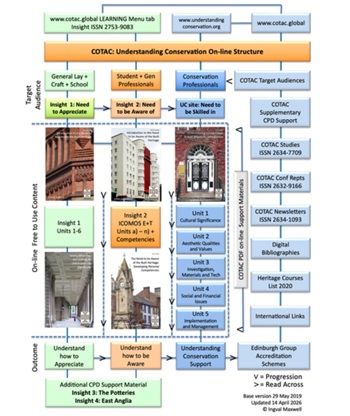
Building competence for the future of built heritage.
Building Regulations and Building Safety Act
CIOB publishes free advice for non-domestic clients.
Building Safety Newsletter from MHCLG.
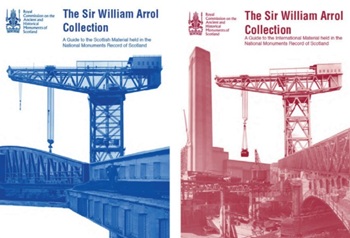
An extraordinary record of steel engineering worldwide.

Households living near new pylons to save on bills.

ECA warns growth must not outpace grid capacity or skills.
The role of the client and decision making

CIOB response to built environment professions call for evidence.
Construction's sustainability reporting revolution
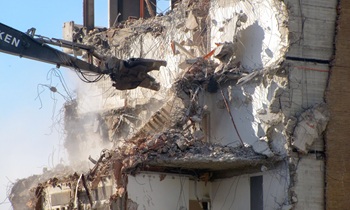
Tracking upfront embodied carbon with digital tools.
ECA welcomes procurement reforms

Public spending must back British jobs and skills.
Campaigning for Edinburgh: the Cockburn Association 1875-2049
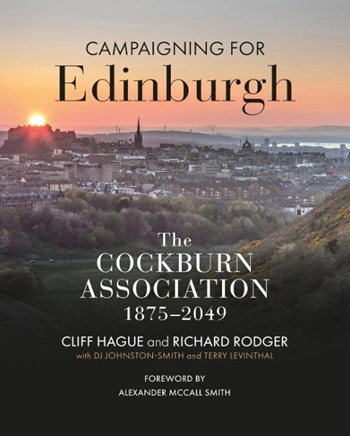
The role of the civic voice in protecting character. Book review.

CIOB photography competition is open for entries.
ECA Edmundson apprentice of the year award
Finalists announced.