





The Science of Office Chair Design: How Engineering Meets Comfort
In the cutting-edge place of work, the workplace chair has evolved far past its simple beginnings as a piece of furnishings. Today, it stands at the intersection of engineering precision and ergonomic comfort, embodying the today's improvements in each fields. This article delves into the technology in the back of office chair design, exploring how engineering ideas make a contribution to improving comfort and productiveness.
Contents |
[edit] The Ergonomic Revolution
At the heart of workplace chair design lies ergonomics—the technological know-how of designing products that match the human body and its movements. The intention is to create a chair that supports herbal posture, minimises stress, and reduces the chance of musculoskeletal issues. Ergonomics involves a meticulous analysis of human anatomy, motion styles, and the interplay between the chair and the consumer.
[edit] 1. Seat Height and Depth
One of the essential elements of an ergonomic chair is its adjustability. Seat top is critical because it determines whether or not the user’s ft are flat at the floor, knees at a right perspective, and thighs parallel to the floor. The seat depth, which is the space from the lower back of the seat to the brink, should permit users to sit down with their backs in opposition to the chair while keeping a few inches of space between the back in their knees and the brink of the seat. Proper adjustment of those parameters ensures comfort and reduces stress on the legs.
[edit] 2. Lumbar Support
The lumbar place of the spine curves inward, and proper aid on this place is critical to hold a healthful posture. Office chairs are designed with lumbar help that may be adjusted to suit the curve of the lower lower back, assuaging strain and preventing lower back pain. Modern chairs often function dynamic lumbar help that adapts to changes in posture throughout the day.
[edit] 3. Backrest and Recline Mechanism
The backrest of an workplace chair performs a massive position in imparting support and selling proper posture. A properly-designed backrest should observe the herbal curve of the spine and allow for quite a number reclining angles. Recline mechanisms enable users to shift their role and reduce stress on the backbone. Advanced fashions comprise synchro-tilt or asynchronous tilt mechanisms, which adjust the perspective of the backrest and seat when it comes to each different, maintaining ergonomic alignment.
[edit] Materials and Construction
The preference of materials and creation techniques also influences the consolation and durability of office chairs. Engineers pick out materials primarily based on their power, flexibility, and breathability.
[edit] 1. Upholstery
High-fine upholstery materials, including mesh, leather-based, or material, are used to decorate comfort and durability. Mesh, as an example, offers breathability and decreases warmness build-up, even as leather-based presents a extra pricey sense. The desire of upholstery affects each the chair's comfort and its potential to resist every day wear and tear.
[edit] 2. Padding and Foam
The type and density of padding in an workplace chair impact comfort and support. High-density foam or gel cushioning facilitates distribute weight frivolously, reducing strain factors and improving lengthy-term consolation. Advanced cushioning materials often incorporate memory foam or gel layers that comply with the person’s frame, offering customised support.
[edit] 3. Frame and Base
The body and base of an workplace chair are usually made from durable materials inclusive of steel, aluminium, or reinforced plastic. The design of the bottom impacts balance and mobility. A 5-point base with casters permits for easy movement and stability, while the peak-adjustable gasoline elevate mechanism enables customers to find their most excellent operating peak.
[edit] The Impact on Productivity
Comfort and ergonomics aren't simply approximately averting bodily soreness—they also have a direct effect on productivity. A nicely-designed workplace chair can reduce fatigue, boom recognition, and enhance average job delight. By assisting the frame in a herbal and snug role, employees are much less probably to revel in distractions because of pain or ache, leading to advanced overall performance and efficiency.
[edit] Future Trends in Office Chair Design
As era advances, so does the ability for innovation in office chair layout. Smart chairs geared up with sensors and adjustment mechanisms are at the horizon, capable of tracking posture and imparting real-time comments to users. These improvements promise to further refine the balance among engineering precision and ergonomic comfort, making sure that workplace chairs preserve to adapt in response to the desires of modern workers.
[edit] Conclusion
The science of office chair layout is a testament to how engineering and ergonomics paintings together to create furnishings that enhances each consolation and productiveness. From adjustable features and lumbar aid to the selection of substances and creation techniques, each element of an workplace chair is cautiously engineered to fulfil the demands of these days’s work environment. As generation progresses, we can expect even extra revolutionary answers on the way to maintain to improve the way we work and sit down.
Featured articles and news

A UK training and membership provider for mould remediation professionals.
Building Safety recap April, 2026

A short and longer run-through of the month, with links to further information and sources.

CIAT May 2026 briefing.

Independent NSI and BAFE study exploring how organisations are changing the way they buy fire safety services.

From medieval scribes to modern word art.

ECA welcomes crackdown on late payment and push for clean energy, whilst CIOB seek fixed cladding removal timeframes.
Cyber Security in the Built Environment
Protecting projects, data, and digital assets: A CIOB Academy TIS.
Managing competence in the built environment

ITFG publishes new industry guide on how to meet the ICC principles.
The UK's campaign to reduce noise pollution: Mythbusting, articles and topic guides.
Setting Expectations on Competence Management
Industry Competence Committee.
New Scottish and Welsh governments
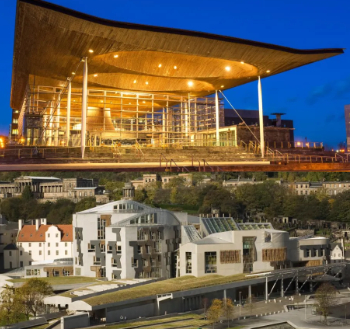
CIOB stresses importance of construction after new parliament elections.
The sad story of Derby Hippodrome

An historic building left to decay.

ECA, JIB and JTL back Fabian Society call to invest in skills for a stronger built environment workforce.

Women's Contributions to the Built Environment.
Calls for the delayed Circular Economy Strategy

Over 50 leading businesses, trade associations and professional bodies, including CIAT, and UKGBC sign open letter.
The future workforce: culture change and skill

Under the spotlight at UK Construction Week London.
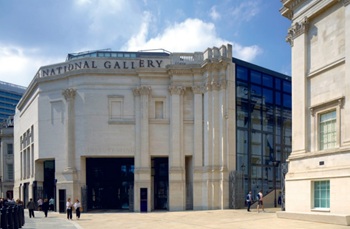
A landmark moment for postmodern heritage.