




Assembly and recreation definition
Approved document B, Fire Safety, Volume 2 – Buildings other than dwellinghouses, includes classifications of purpose groups for which buildings or compartments of a building are intended to be used.
It defines 'assembly and recreation' as a:
Place of assembly, entertainment or recreation, including any of the following:
- bingo halls, broadcasting, recording and film studios open to the public, casinos, dance halls
- entertainment, conference, exhibition and leisure centres
- funfairs and amusement arcades
- museums and art galleries, non-residential clubs, theatres, cinemas, concert halls
- educational establishments, dancing schools, gymnasia, swimming pool buildings, riding schools, skating rinks, sports pavilions, sports stadia
- law courts
- churches and other buildings of worship, crematoria
- libraries open to the public, non-residential day centres, clinics, health centres and surgeries
- passenger stations and termini for air, rail, road or sea travel
- public toilets
- zoos and menageries.
See also: Assembly and Assembly area.
[edit] Related articles on Designing Buildings
Featured articles
Check out some of the best features and news from Designing Buildings as well as key stories from around the web.
ECA responds to the Milburn Report

Youth employment to be linked to workforce demand.
The construction industry urgently needs to attract new talent

CIOB responds to Neets report.
Grenfell Tower community update

Memorial columns to be retained as careful dismantling continues.
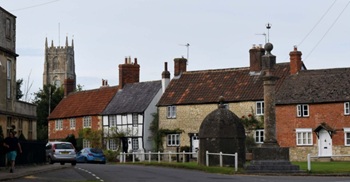
When buildings reflected the local resources available.

CIOB reports 57% are using artificial intelligence technologies.

More of England’s ‘hidden heroes’ will be celebrated.

CIAT calls for retrofit to be a priority.

Version 6 is now available, along with guidance for ECA members.

Post-War Homes: mid-century British architecture. Book review.

CIAT reflects on the party conferences.
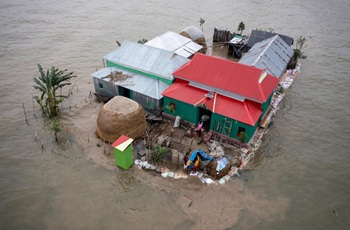
CIOB announce the winners of the Art of Building photography competition.

National Scheme of Delegation introduced.
Comments
[edit] To make a comment about this article, click 'Add a comment' above. Separate your comments from any existing comments by inserting a horizontal line.