





Sterile touch points
[edit] Introduction
Today's facilities managers should be conscious of many requirements, including sustainability, energy efficiency, climate change, comfort, wellbeing and air quality.
The presence and spread of pathogenic microorganisms in our environment is still a problem and one that is exacerbated by the development of microbial resistance to antibiotics and disinfectants.
Some work environments give little consideration to employee health and cross infection; absenteeism and 'presenteeism' (sickness at work) which cost companies millions of pounds in lost productivity every year. It is claimed that 80% of colds, flu and sickness are caused by cross-contamination: surfaces that are contaminated in the workplace which help spread infection. This can include door handles, stair rails, lift control buttons, digital entry points, taps, keyboards, toilets etc.
Bacterium can double within 20 to 30 minutes, meaning that one bacterium turns into two, then two become four, leading eventually to the formation of millions of cells. Office environment temperatures and ventilation systems are ideal for growing and spreading bacteria, viral and fungal spores.
[edit] Reducing the risk
One solution is quite simple and environmentally friendly in application. All potential cross-contamination touch points in buildings can be coated with an invisible eco-varnish that eliminates bacterial adhesion, preventing their multiplication. These sterile touch points are not contaminated by air or infected individuals.
The ability to eradicate all dangerous gram negative and gram positive bacteria will depend on the degree of hydrophobic functionality of the microbiota barrier varnish, enabling the right surface tension to exist. The more hydrophobic bacteria cells adhere more strongly to hydrophobic surfaces, while hydrophilic cells strongly adhere to hydrophilic surfaces.
Coatings are easy to apply and last from six months to years, depending on surface abrasion.
Further details from Richard Thomas, CitroxBiosciences, [email protected]
[edit] Related articles on Designing Buildings Wiki
- Deleterious materials.
- Designing to reduce the chemical, biological and radiological vulnerability of new buildings (IP 7/15).
- Disposal.
- Hazardous substances.
- Health and safety.
- Method statement.
- Occupational health.
- Personal protective equipment.
- Planning (Hazardous Substances) Act 1990.
- Pollution.
- Risk assessment.
- Volatile organic compounds.
- Workplace exposure limits.
Featured articles and news
Costs and insolvencies mount for SMEs, despite growth

Construction sector under insolvency and wage bill pressure in part linked to National Insurance, says report.
The place for vitrified clay pipes in modern infrastructure
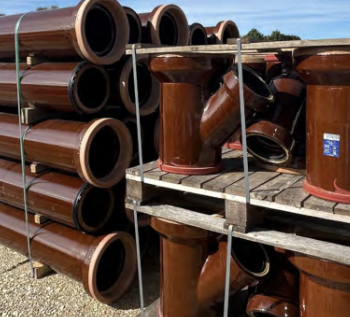
Why vitrified clay pipes are reclaiming their role in built projects.
Research by construction PR consultancy LMC published.
Roles and responsibilities of domestic clients

ACA Safety in Construction guide for domestic clients.
Fire door compliance in UK commercial buildings

Architect and manufacturer gives their low down.
Plumbing and heating for sustainability in new properties
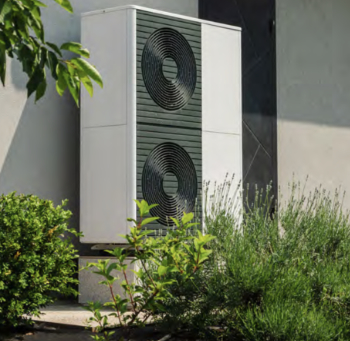
Technical Engineer runs through changes in regulations, innovations in materials, and product systems.
Awareness of the Carbon Border Adjustment Mechanism
What CBAM is and what to do about it.
The new towns and strategic environmental assessments

12 locations of the New Towns Taskforce reduced to 7 within the new towns draft programme and open consultation.

Buildings that changed the future of architecture. Book review.
The Sustainability Pathfinder© Handbook
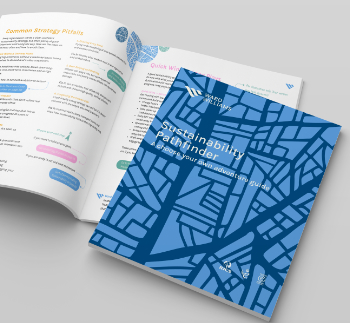
Built environment agency launches free Pathfinder© tool to help businesses progress sustainability strategies.

Government outcome to the late payment consultation, ECA reacts.
IHBC 2025 Gus Astley Student Award winners
Work on the role of hewing in UK historic conservation a win for Jack Parker of Oxford Brookes University.
Future Homes Building Standards and plug-in solar
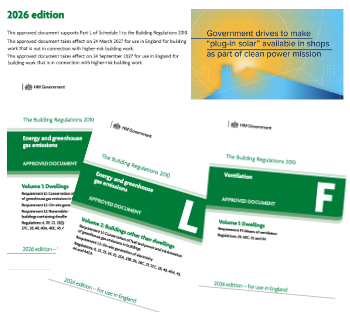
Parts F and L amendments, the availability of solar panels and industry responses.
How later living housing can help solve the housing crisis

Unlocking homes, unlocking lives.
Preparing safety case reports for HRBs under the BSA
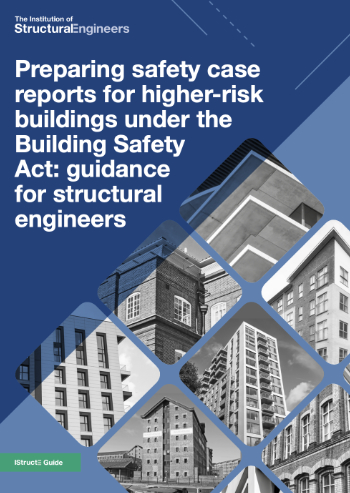
A new practical guide to preparing structural inputs for safety cases and safety case reports published by IStructE.
Male construction workers and prostate cancer

CIOB and Prostate Cancer UK encourage awareness of prostate cancer risks, and what to do about it.