





Self-healing concrete
Self-healing concrete is capable of repairing itself back to the original state.
The origins of self-healing concrete probably stretch back to Roman times, when the Empire started using a slightly different version of concrete to build underwater structures. This material supposedly provided improved durability, high strength, and the ability to fend off deteriorating chemical reactions. Researchers from the University of Utah are said to have stumbled upon the material's secret. The reason this concrete provided high durability is due to the presence of lime and volcanic ash in its make-up. Moreover, the mixture contained a rare mineral called aluminum tobermorite, which undergoes crystallisation after coming into contact with sea water.
New self-healing concrete types are being developed all over the globe. A key example involves using limestone-producing bacteria. A specific group of alkali-resistant spore-forming bacteria related to the genus Bacillus is used for this purpose.
Bacterial concrete refers to a new generation concrete in which selective cementation by microbiologically-induced CaCO3 precipitation serves the remediation of micro-cracks. Self-healing concrete contains the bacteria genus Bacillus that is active through contact with moisture or water and then uses the calcium lactate as a food source producing limestone. As a result, these limestones fill the cracks leading to the self-repair of the damage. This bacteria can survive the alkaline nature of concrete and lies dormant within the concrete for up to 200 years.
It offers durability, leak prevention and extends the service life of concrete structures. The oxygen is consumed by the bacteria to convert calcium into limestone, which closes the crack and helps in the prevention of the corrosion of steel reinforcement due to water seeping in through cracks. This improves the durability of steel-reinforced concrete construction.
The global self-healing concrete market is segmented based on type, end-users and region:
- Based on type, the market is divided into intrinsic healing, capsule-based healing, and vascular healing.
- Based on end-user, it is divided into residential and commercial, industrial, and civil infrastructure.
- Based on the region, it is analysed across North America, Europe, Asia-Pacific, and LAMEA.
The global self-healing concrete market size was valued at $216,720.0 thousand in 2017 and is projected to reach $1,375,088.0 thousand by 2025, growing at a CAGR of 26.4% from 2018 to 2025. In 2017, Europe dominated the global market, in terms of revenue, accounting for the highest share of the global market.
In 2017, Asia-Pacific registered the highest growth rate in the self-healing concrete market and is expected to continue this trend. In particular, economic development in countries such as China and India may drive the most lucrative markets in the future.
[edit] Related articles on Designing Buildings Wiki
Featured articles
Check out some of the best features and news from Designing Buildings as well as key stories from around the web.

Your views needed - a strategy for the professions, trades and occupations.

Confronting competency, codes, capacity and costs.
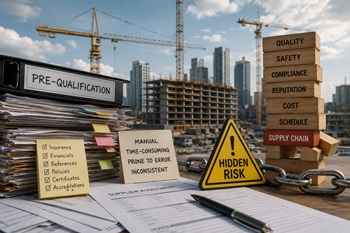
The hidden risk in modern construction supply chains.
Construction Management, 10 June

24 months to 14: CITB launches accelerated apprenticeships.
Bridging the gap between clients and contractors
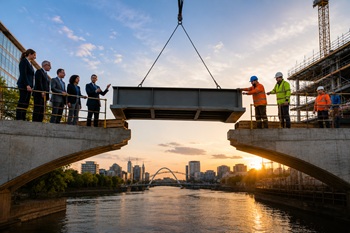
Concerns remain around contractor quality, capability, and delivery.
Construction Management, 10 June.
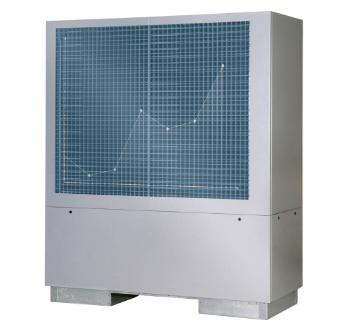
Heat pumps beat boilers in new home tests.
Building Safety Act implementation in Wales

CIAT to host industry panel on 26 June.
New and updated CLC building safety guidance.
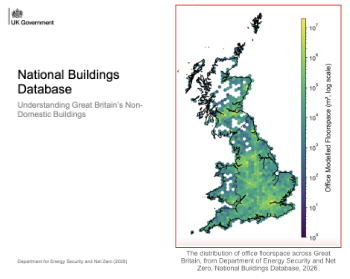
New UK National Buildings Database.
Building Safety Wiki Interviews

Chief executive of the British Woodworking Federation.
Planning condition discharge in England and Wales

A brief explanation from a building compliance expert, with further links.