





Scope 3 carbon emissions
Contents |
[edit] Scope in terms of carbon emissions
The Green House Gas Protocol Corporate Standard classifies GHG emissions into three ‘scopes’.
Scope 1 emissions are direct emissions from owned or controlled sources. Scope 2 emissions are indirect emissions from the generation of purchased energy. Scope 3 emissions are all indirect emissions (not included in scope 2) that occur in the value chain of the reporting company, including both upstream and downstream emission
[edit] What are scope 3 site emissions ?
Scope 3 emissions are all other indirect emissions, for example emissions related to products purchased and used on a buildings, or anything related to the building along the suplly chain. These are emissions relating to activities or assets not owned or controlled by the project or company, but ones for which it is indirectly responsible for. So all of the material components that go together to make the building, have associated emissions relating to their production, manufacture, distribution, use, re-use or disposal.
These will differ if measuring the scope 2 emissions from a construction site itself, measuring emissions from the building (once complete and being occupied) or from the company involved in the project.
Scope 3 emissions differ from scope 2, in that they are a consequence of the activities and from sources not owned or controlled by the project or company, whereas scope 2 emissions are still indirect but have closer link in the suplly chain.
[edit] What are indirect emissions ?
The GHG Protocol defines indirect emissions as “a consequence of the activities from the reporting company but occur at sources owned or controlled by another company.” unlike direct emissions, so these include Scope 2 and Scope 3 emissions. but the protocol makes a clear distinction between the two categories.
[edit] Related articles on Designing Buildings
- Carbon terminology.
- Greenhouse gases.
- ISO 14001:2004 Environmental management system -- Requirements with guidance for use.
- Life cycle assessment.
- PAS 2060.
- PAS 2080 Carbon management in Infrastructure.
- Scope 2 carbon emissions.
- Scope 1 carbon emissions.
- The Carbon Project: improving carbon emission data.
[edit] External links
Featured articles and news
Costs and insolvencies mount for SMEs, despite growth

Construction sector under insolvency and wage bill pressure in part linked to National Insurance, says report.
The place for vitrified clay pipes in modern infrastructure
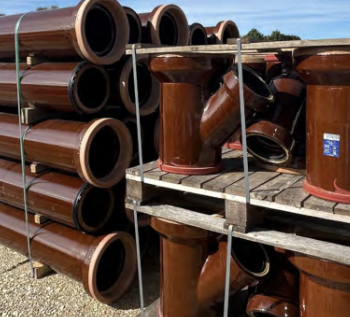
Why vitrified clay pipes are reclaiming their role in built projects.

Research by construction PR consultancy LMC published.
Roles and responsibilities of domestic clients

ACA Safety in Construction guide for domestic clients.
Fire door compliance in UK commercial buildings

Architect and manufacturer gives their low down.
Plumbing and heating for sustainability in new properties

Technical Engineer runs through changes in regulations, innovations in materials, and product systems.
Awareness of the Carbon Border Adjustment Mechanism
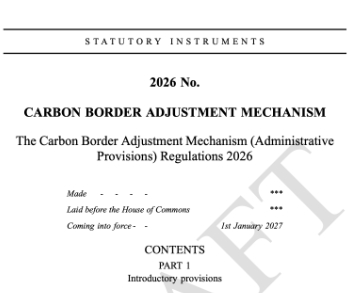
What CBAM is and what to do about it.
The new towns and strategic environmental assessments
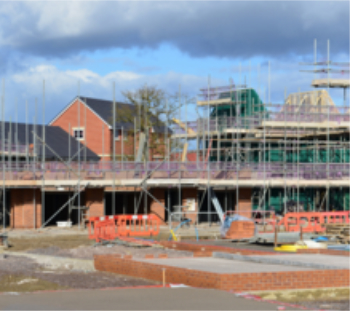
12 locations of the New Towns Taskforce reduced to 7 within the new towns draft programme and open consultation.

Buildings that changed the future of architecture. Book review.
The Sustainability Pathfinder© Handbook
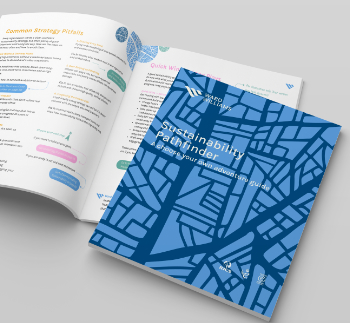
Built environment agency launches free Pathfinder© tool to help businesses progress sustainability strategies.

Government outcome to the late payment consultation, ECA reacts.
IHBC 2025 Gus Astley Student Award winners

Work on the role of hewing in UK historic conservation a win for Jack Parker of Oxford Brookes University.
Future Homes Building Standards and plug-in solar
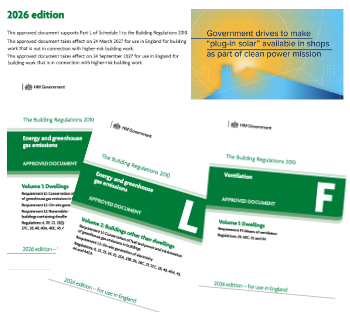
Parts F and L amendments, the availability of solar panels and industry responses.
How later living housing can help solve the housing crisis

Unlocking homes, unlocking lives.
Preparing safety case reports for HRBs under the BSA
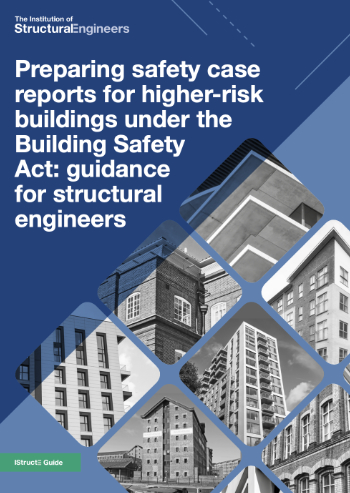
A new practical guide to preparing structural inputs for safety cases and safety case reports published by IStructE.
Male construction workers and prostate cancer

CIOB and Prostate Cancer UK encourage awareness of prostate cancer risks, and what to do about it.