





SPAB Technical Note. The Need for Old Buildings to 'Breathe'
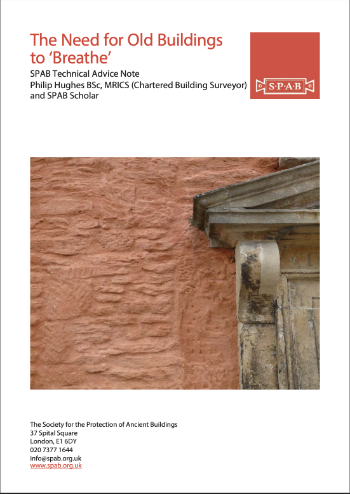
The Need for Old Buildings to ‘Breathe’ is the title of a Society for the Protection of Ancient Buildings (SPAB) Technical Advice Note and was written by Philip Hughes BSc, MRICS (Chartered Building Surveyor) and SPAB Scholar.
This document gives an excellent explanation of the differences between historical construction methods and materials and modern methods and materials. It describes extremely well the concept of 'breathing' materials, in the context of traditional construction and how their characteristics help prolong the life of historical buildings. It further describes issues relating to the introduction modern or impervious materials in the context of historical buildings and the issues this can cause.
It describes different applications from external render and pointing to internal plaster and paints as well as the nuances and gradations in the breathability of construction materials. It is not only a brief but invaluable resource for homeowners, designers and contractors dealing with historical buildings but also those looking to create modern buildings from natural or breathable materials.
Follow the link for further information about The Society for the Protection of Ancient Buildings (SPAB) and here to download the Technical Advice Note 'The Need for Old Buildings to ‘Breathe’'.
[edit] Related articles on Designing Buildings
- Conservation officer.
- Conservation.
- Defects in stonework.
- Dry hydrate lime mortar.
- Finding stone to conserve historic buildings.
- Hemp lime construction: A guide to building with hemp lime composites.
- High lime low alkali glass.
- Hot-mixed mortars: the new lime revival.
- Hydraulic lime.
- Hydrated lime.
- IHBC articles.
- Lime concrete.
- Lime mortar.
- Lime plaster.
- Lime putty mortar.
- Lime run-off.
- Masonry.
- Mortar.
- Mortar analysis for specifiers.
- Non hydraulic lime.
- Portland cement.
- Putty lime.
- Society for the Protection of Ancient Buildings.
- Soda-lime glass.
- Sourcing stone to repair Exeter Cathedral.
- The Institute of Historic Building Conservation.
- The use of lime mortar in building conservation.
- Types of mortar.
Featured articles
Check out some of the best features and news from Designing Buildings as well as key stories from around the web.
ECA Edmundson apprentice of the year award

Finalists announced.
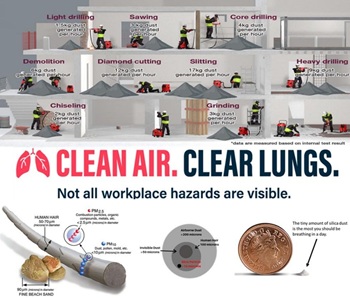
Major new study exposes serious knowledge gaps.

Generating energy from internal light as well as sunshine.

ECA welcomes plans to strengthen subcontractor quality control.

Combining mid-career qualifications with experience broadens career opportunities.

Why being a mentor can help your career.

Channel 4 broadcaster to host 125th anniversary ceremony.
Listed structures on the rail network
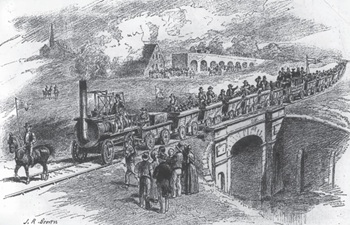
Heritage interests and operational requirements must be balanced.
Historic England publishes research into embodied carbon when retrofitting traditional buildings.

New Prime Minister delivers on ECA call for cut in electricity costs.

CIOB reacts to the announcement of Andy Burnham as Prime Minister.

Heritage and conservation science workforce survey - Have your say.