





Retail warehouse
Retail warehouses are large, single-level stores, typically with a minimum of 1000 square metres gross retail floorspace, normally selling goods for home improvement or gardening, furniture, electrical goods, carpets and so on. They are most commonly found in the fringe of towns or in out of town locations.
Retail warehouses may be stand-alone buildings, or may be located on trading estates or parks. Generally, an agglomeration of at least three retail warehouses constitutes a retail warehouse park. They generally offer a significant amount of car parking, which may be shared with other retail warehouses.
The Valuation Office Agency suggests that the construction of retail warehouses shows greater visual similarity to warehousing than to standard shops. They usually occupy a single floor, the majority of which is devoted to sales, with some ancillary storage and office use.
Typically, they are
- Older buildings converted from a previous warehouse or industrial use.
- 1980s or 1990's modern estates or parks.
- Mid 1990s and 2000's larger, modern purpose-built units.
- From late 2000's, modern retail parks with a high street.
For planning permission purposes, retail warehouses come under use class A1 (shops) unlike other types of warehouse which are typically use class B8 (storage or distribution).
[edit] Related articles on Designing Buildings Wiki
- Asset management for environmental conditions - retrofitting strategies for simple buildings.
- BREEAM and retail.
- BREEAM Retail prize 2016.
- High street (planning and policy).
- Main town centre uses.
- Rental method of rating valuation.
- Sample retail unit lease.
- The impact of lighting in retail design.
- Types of building.
- Use class.
- Warehouse.
- What the new retail market will mean for the water sector.
Featured articles
Check out some of the best features and news from Designing Buildings as well as key stories from around the web.
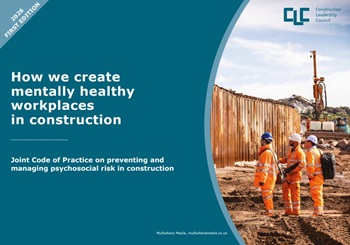
CLC publishes Mental Health Joint Code of Practice.

A quick introduction to its uses and risks.
Construction Management, 17 June

Government rolls out digital planning tool to all local authorities.

Your views needed - a strategy for the professions, trades and occupations.

Confronting competency, codes, capacity and costs.

The hidden risk in modern construction supply chains.
Construction Management, 10 June

24 months to 14: CITB launches accelerated apprenticeships.
Bridging the gap between clients and contractors

Concerns remain around contractor quality, capability, and delivery.
Construction Management, 10 June.
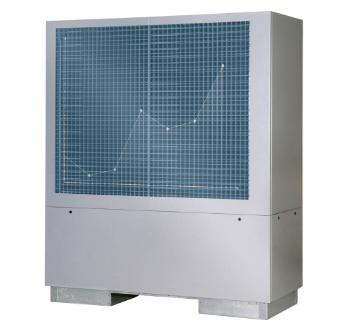
Heat pumps beat boilers in new home tests.
Building Safety Act implementation in Wales

CIAT to host industry panel on 26 June.

New and updated CLC building safety guidance.