





Public project: outline work plan

An outline work plan for a publicly-funded project procured by design and build, PFI or prime contract is presented below. Project plans for privately-funded projects are available by clicking here.
Clicking on any of the stages will open up the detailed tasks necessary to complete that stage. Together, the tasks represent a single, consolidated plan from the first moment it becomes apparent a project might be required right through to post occupancy evaluation.
[edit] Public project
Stage 1: Business justification.
Stage 2: Feasibility studies.
Stage 3: Project brief.
Stage 4a: Tender.
or
Stage 4b: PFI tender.
Stage 5: Concept design.
Stage 6: Detailed design.
Stage 7: Production information.
Stage 8: Mobilisation.
Stage 9: Construction.
Stage 10: Occupation and defects liability period.
Stage 11: Post occupancy evaluation.
Moveable stages:
Notes
- The Government Construction Strategy proposes that publicly-funded projects adopt either a design and build, private finance initiative (PFI) or prime contract procurement route. These routes involve the client contracting an integrated supply team (including designers, contractors and suppliers) to design, construct and sometimes to finance, operate and maintain the development. Traditional procurement routes that separate design and construction should not be used unless it can be demonstrated that they offer better value.
- Unlike traditional contracts, the client does not appoint their own design consultants. This means that they might require assistance from independent client advisers to help carry out appraisals, prepare briefing documents and tender the project. The extent of services required from independent client advisers will depend on the experience of the client and so some of the tasks we attribute to independent client advisers may in fact be carried out by the client and vice versa.
- Publicly-funded projects are expected to commission independent peer reviews called 'gateway reviews' at key points during their development. The work plan presented follows the OGC (Office of Government Commerce) Gateway Review procedure. The OGC has now been absorbed into the Efficiency and Reform Group within the Cabinet Office, and the guidance supporting the OGC Gateway Review procedure has been archived, however, the procedure is still cited by the Government Construction Strategy, and remains the only complete, and detailed project plan relevant to all publicly-funded projects.
- The damning 2011 House of Commons Treasury Select Committee report on PFI found '...that PFI projects are significantly more expensive to fund over the life of a project' and that there is no '...clear evidence of savings and benefits in other areas of PFI projects which are sufficient to offset this significantly higher cost of finance'. It is difficult to see where this leaves PFI, however as long as it continues to allow financing not to appear in government debt it is likely to remain a feature of procurement in the UK. See PF2 for more inforomation.
Featured articles and news
Costs and insolvencies mount for SMEs, despite growth

Construction sector under insolvency and wage bill pressure in part linked to National Insurance, says report.
The place for vitrified clay pipes in modern infrastructure

Why vitrified clay pipes are reclaiming their role in built projects.

Research by construction PR consultancy LMC published.
Roles and responsibilities of domestic clients

ACA Safety in Construction guide for domestic clients.
Fire door compliance in UK commercial buildings

Architect and manufacturer gives their low down.
Plumbing and heating for sustainability in new properties

Technical Engineer runs through changes in regulations, innovations in materials, and product systems.
Awareness of the Carbon Border Adjustment Mechanism
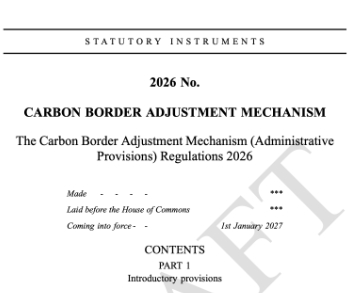
What CBAM is and what to do about it.
The new towns and strategic environmental assessments

12 locations of the New Towns Taskforce reduced to 7 within the new towns draft programme and open consultation.
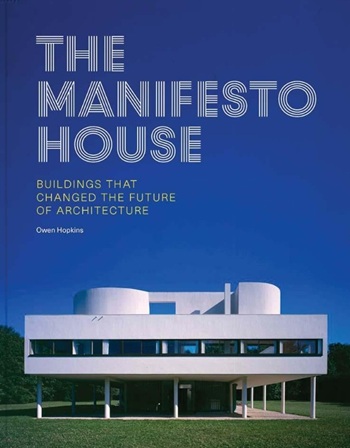
Buildings that changed the future of architecture. Book review.
The Sustainability Pathfinder© Handbook
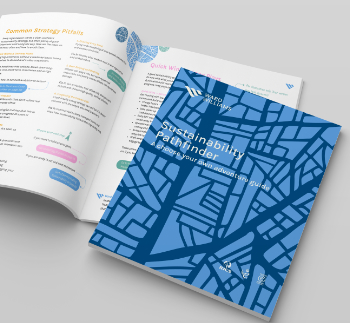
Built environment agency launches free Pathfinder© tool to help businesses progress sustainability strategies.
Government outcome to the late payment consultation, ECA reacts.
IHBC 2025 Gus Astley Student Award winners
Work on the role of hewing in UK historic conservation a win for Jack Parker of Oxford Brookes University.
Future Homes Building Standards and plug-in solar
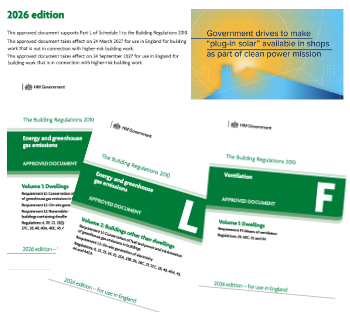
Parts F and L amendments, the availability of solar panels and industry responses.
How later living housing can help solve the housing crisis

Unlocking homes, unlocking lives.
Preparing safety case reports for HRBs under the BSA
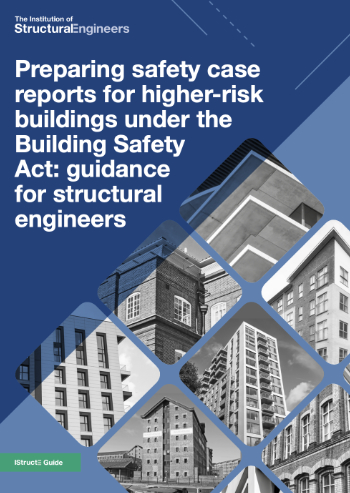
A new practical guide to preparing structural inputs for safety cases and safety case reports published by IStructE.
Male construction workers and prostate cancer

CIOB and Prostate Cancer UK encourage awareness of prostate cancer risks, and what to do about it.
Comments