





Dutch auctions in the construction industry
Contents |
[edit] Introduction
A Dutch auction is also known as an open descending bid. It is a procurement method in which an inflated price is set at the start of the process and is then progressively lowered until a bidder is prepared to make an offer. This purchasing approach can be used to procure construction services.
[edit] History
This is a procurement method that has been throughout the history of commerce. In the 17th century, the method became associated with estate and painting sales in Holland. In the Netherlands, Dutch auctions are referred to as Chinese auctions.
Dutch auctions came to England in the 18th century, although at the time, they were referred to as ‘mineing auctions'. This was due to the fact the auction continued until the price dropped and a bidder shouted out the word, ‘Mine’.
[edit] Strategy
For bidders, it is essential to have an accurate sense of the value of the service that is being auctioned. This is sometimes referred to as rational bidding. A rational bid of this kind may factor in hidden costs known only to the bidder which will project that amount onto the value of the service.
Dutch auctions are generally considered to be an efficient procurement method, although they are not frequently used on construction projects. The method is primarily used when new companies make initial public stock offerings.
Dutch auctions are also referred to as multiple item auctions (since they allow services to be bundled together) or clock auctions. While Dutch auctions are similar to reverse auctions, there is a specific Reverse Dutch Auction where the price of the items starts low and then increases in set intervals.
[edit] Related articles on Designing Buildings Wiki
Featured articles and news
Costs and insolvencies mount for SMEs, despite growth

Construction sector under insolvency and wage bill pressure in part linked to National Insurance, says report.
The place for vitrified clay pipes in modern infrastructure
Why vitrified clay pipes are reclaiming their role in built projects.

Research by construction PR consultancy LMC published.
Roles and responsibilities of domestic clients

ACA Safety in Construction guide for domestic clients.
Fire door compliance in UK commercial buildings

Architect and manufacturer gives their low down.
Plumbing and heating for sustainability in new properties

Technical Engineer runs through changes in regulations, innovations in materials, and product systems.
Awareness of the Carbon Border Adjustment Mechanism
What CBAM is and what to do about it.
The new towns and strategic environmental assessments
12 locations of the New Towns Taskforce reduced to 7 within the new towns draft programme and open consultation.
Buildings that changed the future of architecture. Book review.
The Sustainability Pathfinder© Handbook
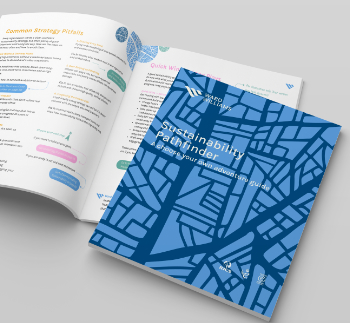
Built environment agency launches free Pathfinder© tool to help businesses progress sustainability strategies.

Government outcome to the late payment consultation, ECA reacts.
IHBC 2025 Gus Astley Student Award winners

Work on the role of hewing in UK historic conservation a win for Jack Parker of Oxford Brookes University.
Future Homes Building Standards and plug-in solar
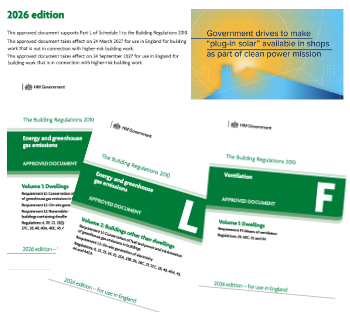
Parts F and L amendments, the availability of solar panels and industry responses.
How later living housing can help solve the housing crisis

Unlocking homes, unlocking lives.
Preparing safety case reports for HRBs under the BSA
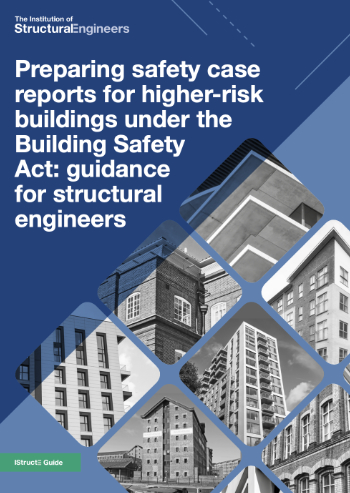
A new practical guide to preparing structural inputs for safety cases and safety case reports published by IStructE.
Male construction workers and prostate cancer

CIOB and Prostate Cancer UK encourage awareness of prostate cancer risks, and what to do about it.