




Meaning of lag in the construction industry
In the construction industry, the term ‘lag’ can mean:
- ‘…the minimum necessary lapse of time between the finish of one activity and the finish of another overlapping activity.' Ref The Society of Construction Law Delay and Disruption Protocol, 2nd edition, published in February 2017 by the Society of Construction Law (UK).
- ‘…the amount of time required between the start or finish of a predecessor task and the start or finish of a successor task.’ Ref The Society of Construction Law Delay and Disruption Protocol.
- The delay in the transmission of thermal conditions between one side of the fabric of a building and the other.
- The process of installing insulation, in particular around water pipes to prevent freezing, or to prevent heat loss from hot water pipes. This is sometimes referred to as ‘lagging’.
- A type of screw or bolt: A heavy-duty fastener that creates its own mating thread in timber and other soft materials when tightened.
- A time delay between the action of a control system and its effect on the controlled parameter
[edit] Related articles on Designing Buildings
Featured articles
Check out some of the best features and news from Designing Buildings as well as key stories from around the web.

Dorset's first conservation campaigner?
Gov.uk - Hot-rolled steel plate

New anti-dumping measure imposed on South Korea.
ECA responds to the Milburn Report

Youth employment to be linked to workforce demand.
The construction industry urgently needs to attract new talent

CIOB responds to Neets report.
Grenfell Tower community update

Memorial columns to be retained as careful dismantling continues.

When buildings reflected the local resources available.

CIOB reports 57% are using artificial intelligence technologies.
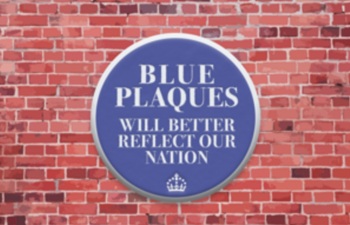
More of England’s ‘hidden heroes’ will be celebrated.

CIAT calls for retrofit to be a priority.

Version 6 is now available, along with guidance for ECA members.

Post-War Homes: mid-century British architecture. Book review.

CIAT reflects on the party conferences.