





Infrastructure investor
Project 13 is an Institution of Civil Engineers (ICE) - led initiative to boost certainty and productivity in the delivery of infrastructure, to improve whole-life outcomes and to support a more sustainable, innovative, highly-skilled industry. It is a response to a general perception that the infrastructure sector’s current operating model is broken, with projects delivered over budget, over time and below par.
Project 13 proposes an 'enterprise model' rather than a traditional construction programme model in which:
- The owner is central and leads the enterprise, defining long-term value.
- Suppliers and advisors have direct relationships with the owner.
- An ‘integrator’ actively engages and integrates all tiers of the market.
- The key suppliers, owner, advisor and integrator work as one team to optimise value.
Project 13 defines an infrastructure 'investor' as:
| The organisation(s) that reviews the infrastructure programme for viability, secures funding and dictates policy on how finance will be secured. They also contribute to the definition of value with indirect benefits such as socio-economic outcomes. |
It suggests that the responsibilities of the ‘investor’ are to:
- Lead the financial strategy.
- Realise the financial benefits/return on investment.
- Approve the business case and delivery strategy (in conjunction with the owner).
- Agree the value outcome with the owner through the business case (in conjunction with the owner).
- Respond to external environment/risks.
- Develop policy and strategic plans.
- Define value and non-asset outcomes expected from the investment (e.g. socio-economic benefits expected) in line with the corporate responsibilities in Section 172 of the Companies Act for Private Sector Investors.
- Develop a highly aligned (and longer-term) relationship with the owner.
Ref: P13 Blueprint, Institution of Civil Engineers, May 2018.
[edit] Find out more
[edit] Related articles on Designing Buildings Wiki
Featured articles and news
Costs and insolvencies mount for SMEs, despite growth

Construction sector under insolvency and wage bill pressure in part linked to National Insurance, says report.
The place for vitrified clay pipes in modern infrastructure
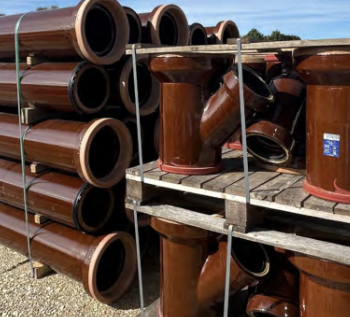
Why vitrified clay pipes are reclaiming their role in built projects.

Research by construction PR consultancy LMC published.
Roles and responsibilities of domestic clients

ACA Safety in Construction guide for domestic clients.
Fire door compliance in UK commercial buildings

Architect and manufacturer gives their low down.
Plumbing and heating for sustainability in new properties

Technical Engineer runs through changes in regulations, innovations in materials, and product systems.
Awareness of the Carbon Border Adjustment Mechanism
What CBAM is and what to do about it.
The new towns and strategic environmental assessments
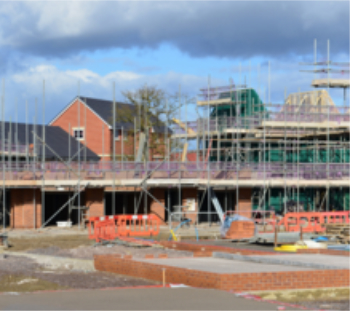
12 locations of the New Towns Taskforce reduced to 7 within the new towns draft programme and open consultation.
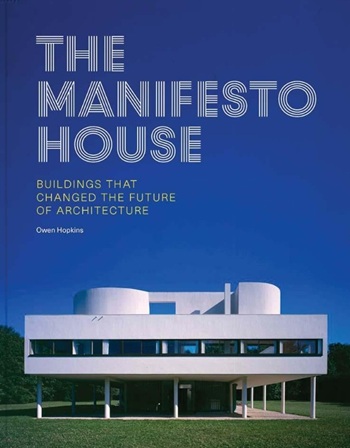
Buildings that changed the future of architecture. Book review.
The Sustainability Pathfinder© Handbook
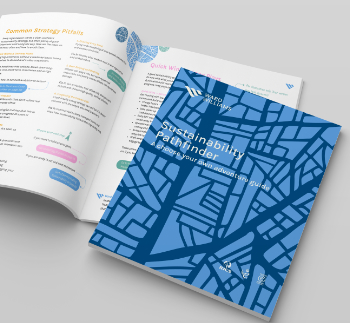
Built environment agency launches free Pathfinder© tool to help businesses progress sustainability strategies.
Government outcome to the late payment consultation, ECA reacts.
IHBC 2025 Gus Astley Student Award winners

Work on the role of hewing in UK historic conservation a win for Jack Parker of Oxford Brookes University.
Future Homes Building Standards and plug-in solar
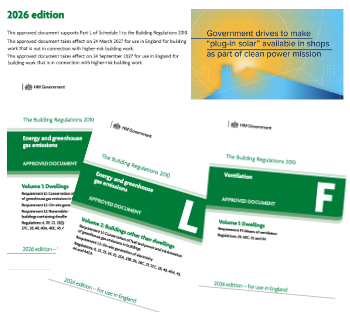
Parts F and L amendments, the availability of solar panels and industry responses.
How later living housing can help solve the housing crisis

Unlocking homes, unlocking lives.
Preparing safety case reports for HRBs under the BSA

A new practical guide to preparing structural inputs for safety cases and safety case reports published by IStructE.
Male construction workers and prostate cancer

CIOB and Prostate Cancer UK encourage awareness of prostate cancer risks, and what to do about it.