





Hot water safety

Contents |
[edit] Introduction
Hot water is considered an essential building service. The two components of a typical hot water system are:
- The central heating system which supplies hot water to radiators located around a building.
- Domestic hot water supplied to taps and sometimes to appliances.
The water and pipework used for these two systems are not mixed, although both share some of the same components.
[edit] Hot water safety under Section G3 of Approved Document G
Section G3 of Approved Document G defines ‘domestic hot water’ as water that has been heated for cooking, food preparation, personal washing or cleaning purposes. Under Approved Document G, the “suitable installation for the provision of heated wholesome water or heated softened wholesome water” is required.
Section G3 provides specific guidance regarding hot water safety for sanitaryware (including washbasins, sinks, baths, showers and bidets) and other water storage systems (including cisterns or other water supply vessels). Under Section G3, systems should incorporate precautions to:
- Prevent the temperature of the water stored in the vessel at any time exceeding 100C.
- Ensure that any discharge from safety devices is safely conveyed to where it is visible but will not cause a danger to persons in or about the building.
Furthermore, the hot water supply to any fixed bath must be so designed and installed as to incorporate measures to ensure that the temperature of the water that can be delivered to that bath does not exceed 48C.
Section G3 provides specific information on additional areas, including
Guidance:
- Performance
- General
- Provision of hot water supply
Design and installation of directly or indirectly heated hot water storage systems:
- General
- Vented hot water storage systems
- Unvented hot water storage systems – all systems
- Unvented hot water storage systems – systems up to 500 litres capacity and 45kW power input
- Unvented hot water storage systems – systems over 500 litres capacity or over 45kW power input
Discharge pipes from safety devices:
Prevention of excessive temperatures
Prevention of scalding
Commissioning of fixed building services
Notice of completion of commissioning
[edit] Further guidance
In addition to the information in Approved Document G, further guidance for hot water storage system design and installation can be found in three British Standards Institution (BSI) documents:
- BS EN 806-5:2012 Specifications for installations inside buildings conveying water for human consumption. Operation and maintenance.
- BS 8558:2015 Guide to the design, installation, testing and maintenance of services supplying water for domestic use within buildings and their curtilages.
- BS EN 12897:2006 Water supply.
[edit] Related articles on Designing Buildings
- A guide to installing thermostatic mixing valves: what, why and how.
- Approved Document G.
- Building services.
- Hot water.
- Hot water safety in health and social care settings.
- Plumbing.
- Stagnation point.
- Tap.
- Water heating.
[edit] External resources
- BSI, BS EN 806-5:2012 Specifications for installations inside buildings conveying water for human consumption. Operation and maintenance.
- BSI, BS 8558:2015 Guide to the design, installation, testing and maintenance of services supplying water for domestic use within buildings and their curtilages.
- BSI, BS EN 12897:2006 Water supply.
- Gov.uk, Approved Document G.
Featured articles and news
New Scottish and Welsh governments

CIOB stresses importance of construction after new parliament elections.
The sad story of Derby Hippodrome
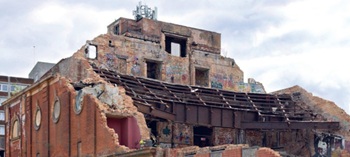
An historic building left to decay.

ECA, JIB and JTL back Fabian Society call to invest in skills for a stronger built environment workforce.

Women's Contributions to the Built Environment.
Calls for the delayed Circular Economy Strategy

Over 50 leading businesses, trade associations and professional bodies, including CIAT, and UKGBC sign open letter.
The future workforce: culture change and skill

Under the spotlight at UK Construction Week London.
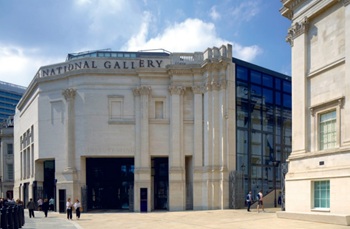
A landmark moment for postmodern heritage.
A safe energy transition – ECA launches a new Charter
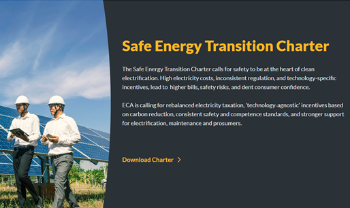
Practical policy actions to speed up low carbon adoption while maintaining installation safety and competency.
Frank Duffy: Researcher and Practitioner

Reflections on achievements and relevance to the wider research and practice communities.
The 2026 Compliance Landscape: Fire doors

Why 'Business as Usual' is a Liability.
Cutting construction carbon footprint by caring for soil

Is construction neglecting one of the planet’s most powerful carbon stores and one of our greatest natural climate allies.
ARCHITECTURE: How's it progressing?
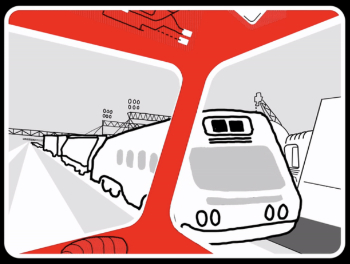
Archiblogger posing questions of a historical and contextual nature.
The roofscape of Hampstead Garden Suburb

Residents, architects and roofers need to understand detailing.
Homes, landlords. tenants and the new housing standards

What will it all mean?