





Hard costs v soft costs
There are a wide variety of different construction costs that must be built into a project’s budget. Many of these can be divided into two categories; hard costs and soft costs.
Often referred to as 'brick-and-mortar costs', hard costs refer to the cost of physical construction, such as; foundations, superstructure, interior finishes, labourers, equipment, drainage and so on. Hard costs, being 'tangible', tend to be relatively easy to estimate but vary significantly according to the project type. For example, a complex facility such as a hospital will tend to have higher hard costs per square metre than an office building.
Soft costs are those costs that, unlike hard costs, are not instantly visible or tangible, and are not directly related to labour or building materials. This might include:
- Fees.
- Land costs.
- Off-site costs.
- Loans, accounting fees and interests.
- Insurances, permits and taxes.
- Public relations and advertising costs.
Unlike fixed equipment that is classified as a hard cost, moveable furniture and equipment are classified as soft costs. This includes items such as computer equipment, telephone systems, and so on. Costs that can continue post-completion such as maintenance, security and other up-keep-related fees are also deemed to be soft.
[edit] Related articles on Designing Buildings
Featured articles
Check out some of the best features and news from Designing Buildings as well as key stories from around the web.
Construction Management, 10 June

24 months to 14: CITB launches accelerated apprenticeships.
Bridging the gap between clients and contractors

Concerns remain around contractor quality, capability, and delivery.
Construction Management, 10 June.
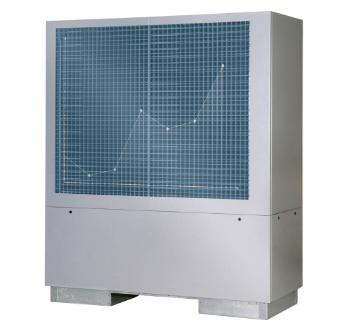
Heat pumps beat boilers in new home tests.
Building Safety Act implementation in Wales

CIAT to host industry panel on 26 June.

New and updated CLC building safety guidance.
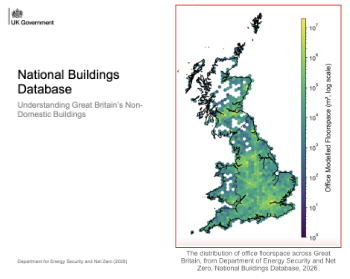
New UK National Buildings Database.
Building Safety Wiki Interviews

Chief executive of the British Woodworking Federation.
Planning condition discharge in England and Wales

A brief explanation from a building compliance expert, with further links.
Overheating guidance and tools for building designers

Guidance for dealing with element of building fabric control that have increasing importance.
Shading for housing, a design guide

From the Good Homes Alliance and British Blind and Shutter Association.
UK Standard Skills Classification (SSC)

A shared framework for describing skills needs.