





Glasswool insulation
Glasswool is a type of insulation material that is made from recycled glass. It is commonly used in buildings to insulate walls, ceilings and roofs to keep the interior of the building warm in the winter and cool in the summer. Glasswool is also used in a variety of other applications, such as soundproofing and as a filter material. Because it is made from recycled glass, glasswool can be considered a sustainable material.
It is similar in some respects to rockwool, but glasswool is made from recycled glass, whereas rockwool is made from basalt, a type of volcanic rock.
Glasswool is made by melting recycled glass and spinning it into fine fibres which are then formed into insulation batts or rolls. The melted glass is mixed with other materials, such as boron or alumina, to give the glasswool its insulation properties. The process of making glasswool is similar to the process used to make other types of fiberglass insulation.
There are many different types of insulation materials available, each with its own unique properties and characteristics. Comparing glasswool to other types of insulation can be difficult because it depends on the specific application and the performance criteria that are important in that situation. In general, glasswool is a sustainable insulation option that can provide good thermal insulation and soundproofing properties. It is also relatively easy to instal and can be used in a variety of different applications. However, it is not as effective as some other types of insulation at preventing the passage of moisture, so it may not be the best choice in damp or humid environments.
Glasswool can also be irritating to the skin and respiratory system. It is important to use protective gear, such as gloves, masks, and goggles when handling glasswool to avoid irritation. Additionally, glasswool products can be flammable, so it is important to follow the manufacturer's instructions when installing it to ensure that it is used safely. Glasswool itself is non-flammable, but the wrapping, resin binder, and some facings may burn.
[edit] Related articles on Designing Buildings
- Aerogel insulation for buildings.
- Acoustic insulation.
- Cavity wall insulation.
- External wall insulation.
- Floor insulation.
- Glass wool v reflective foil insulation.
- Insulating concrete form.
- Insulation envelope.
- Insulation for ground floors.
- Phenolic foam insulation.
- Reducing thermal bridging at junctions when designing and installing solid wall insulation FB 61.
- Roof insulation.
- Solid wall insulation.
- Solid Wall Insulation: Unlocking demand and driving up standards.
- Specifying insulation for inverted roofs.
- Ten facts about Expanded Polystyrene (EPS) insulation to help specifiers.
- Thermal insulation for buildings.
- Transparent insulation.
- Types of insulation.
Featured articles
Check out some of the best features and news from Designing Buildings as well as key stories from around the web.
Rethinking passive fire protection in design

PFP demands the same level of design rigour as structure or services.

38% of Gen Zs feel safe when a fire door is wedged open.
Stunning images from around the world
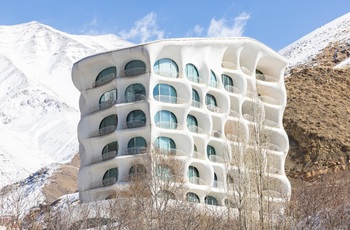
Shortlist for CIOB’s Art of Building photography competition.
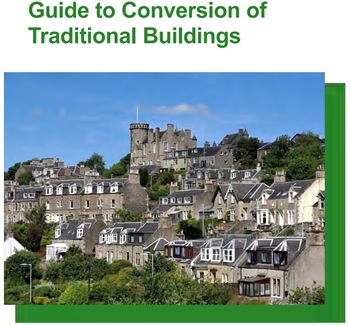
Guidance for conversion of traditional pre-1919 stone buildings.
Industrial heritage in the Ruhr

A marked difference to the fate of industrial landscapes in the UK.
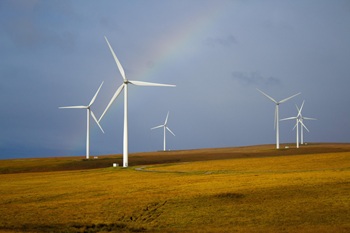
Communities will be able to build their own clean energy.
Why diversity and inclusion matters for SMEs

CIOB’s D&I Charter shows how practical changes can support long-term growth.
Cut electricity bills to power growth

Coalition sends joint letter to the Chancellor.

Gasholders: a history in pictures. Book review.
Recognition, influence and growth

SocEnv identifies three strategic pillars in new strategy to 2045.
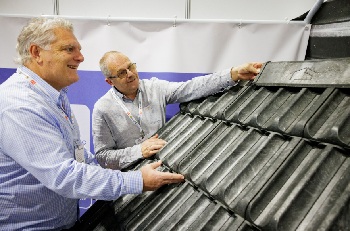
Discover the future of roofing, cladding and insulation.

New guidance for professional practice, cultural change and regulation in social housing.