





Escalation clause
An escalation clause is a provision that may be included in a construction contract to allow for adjustments in the contract price based on fluctuations in the cost of materials, labour, or other project-related expenses. This clause is designed to manage the risk associated with price volatility over the duration of a project. Escalation clauses are commonly used in long-term projects or those involving significant amounts of raw materials that are subject to market fluctuations. They are particularly relevant in times of economic instability or high inflation.
The primary purpose is to protect both the contractor and the client from the financial impact of significant cost changes that could not have been anticipated at the time of contract signing. It ensures that contractors are not unfairly penalised by unforeseen price increases and that clients are not overcharged.
The clause typically specifies the conditions under which price adjustments can be made. Common triggers include:
- Increases in the cost of materials.
- Changes in labour costs due to new wage agreements or labour shortages.
- Variations in fuel or transportation costs.
Escalation clauses may be calculated based on:
- A predetermined percentage increase at specified intervals.
- Adjustments based on actual cost changes, with detailed documentation.
- Adjustments based on specific cost indexes relevant to the construction industry.
This provides a transparent and objective method for determining the price changes. The contract will also outline how often price adjustments can be made. This might be on a monthly, quarterly, or milestone basis, depending on the length and nature of the project.
To prevent excessive adjustments, escalation clauses may include caps or limits on the amount by which the contract price can be increased. This protects clients from unlimited cost escalation and provides a clear framework for managing potential increases.
The contractor is usually required to provide detailed documentation supporting any claimed increases, and there may be a requirement for prior notification before adjustments are applied. This ensures transparency and allows for verification by the client or their representatives.
See also: Fluctuations and Escalation.
[edit] Related articles on Designing Buildings
Featured articles and news

From medieval scribes to modern word art.

Electrical contractors welcome crackdown on late payment and push for clean energy.
Cyber Security in the Built Environment
Protecting projects, data, and digital assets: A CIOB Academy TIS.
Managing competence in the built environment

ITFG publishes new industry guide on how to meet the ICC principles.
The UK's campaign to reduce noise pollution: Mythbusting, articles and topic guides.
Setting Expectations on Competence Management

Industry Competence Committee.
New Scottish and Welsh governments

CIOB stresses importance of construction after new parliament elections.
The sad story of Derby Hippodrome
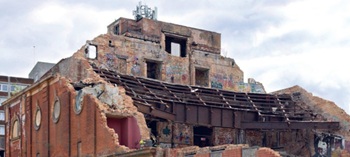
An historic building left to decay.

ECA, JIB and JTL back Fabian Society call to invest in skills for a stronger built environment workforce.

Women's Contributions to the Built Environment.
Calls for the delayed Circular Economy Strategy

Over 50 leading businesses, trade associations and professional bodies, including CIAT, and UKGBC sign open letter.
The future workforce: culture change and skill

Under the spotlight at UK Construction Week London.

A landmark moment for postmodern heritage.