





Defects date
NEC was first published in 1993 as the New Engineering Contract. It is a suite of construction contracts intended to promote partnering and collaboration. The third edition, NEC3 was published in 2005.
According to NEC, a defect is ‘…a part of the works which is not as stated in the Works Information or not in accordance with applicable law or the accepted design.’
Until the defects date, there is an obligation on both the supervisor and contractor to notify each other as soon as they are aware of a defect, although the contractor is obliged to rectify a defect whether or not they have been notified of it, and may even be instructed to search for a defect, although the reason for this must be given in the instruction.
The defects date is set out in the contract data and is a duration from the completion date, rather than a specific day. That is, the duration is the same whether or not the completion date set out in the contract is achieved. Typically the defects date is 26 or 52 weeks from the completion date.
The defects date is the last date on which the supervisor or the contractor can give a notification of defects and is also the last date on which compensation events can be notified.
At, or just after the defects date the supervisor issues a defects certificate, which either certifies that there are no remaining patent defects, or lists any uncorrected defects. This triggers the release of any remaining retention, although if there are any remaining defects listed on the defects certificate, a withholding notice may be served and retention may continue to be held.
The defect correction period defines the maximum period within which the contractor must rectify a notified defect. Different defect correction periods can be specified for different types of defects. The only circumstances when the defects certificate might not be issued on the defects date is if a previously notified defect has a defects correction period that ends after the defects date, in which case it is issued on the later date.
If notified defects are not rectified within the defect correction period, they may be rectified by others and the cost reimbursed by the contractor.
The parties to the contract are permitted to agree that certain defects need not be rectified, and in this case the contractor must submit a quotation for reduced prices, an earlier completion date or both, and an adjustment is then made to the works information.
[edit] Find out more
[edit] Related articles on Designing Buildings Wiki
- Certificate of making good defects.
- Decennial liability.
- Defective Premises - Liability and Measure of Damages.
- Defective Premises Act.
- Defects liability period.
- Defects.
- Defects certificate.
- Defects correction period.
- Delay damages.
- Dilapidations.
- Fit for purpose.
- Guarantees.
- Inspection.
- Latent defects.
- Opening up works for inspection and testing.
- Patent defects.
- Practical completion.
- Reasonable skill and care.
- Remedial work.
- Schedule of condition.
- Schedule of defects.
- Scott schedule.
- Site inspection.
- Site inspector.
Featured articles and news
Costs and insolvencies mount for SMEs, despite growth

Construction sector under insolvency and wage bill pressure in part linked to National Insurance, says report.
The place for vitrified clay pipes in modern infrastructure
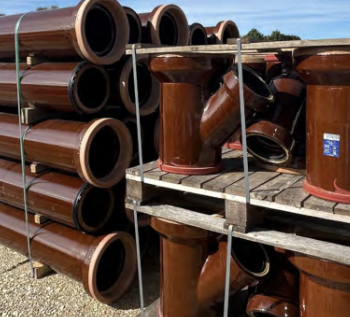
Why vitrified clay pipes are reclaiming their role in built projects.

Research by construction PR consultancy LMC published.
Roles and responsibilities of domestic clients

ACA Safety in Construction guide for domestic clients.
Fire door compliance in UK commercial buildings

Architect and manufacturer gives their low down.
Plumbing and heating for sustainability in new properties

Technical Engineer runs through changes in regulations, innovations in materials, and product systems.
Awareness of the Carbon Border Adjustment Mechanism
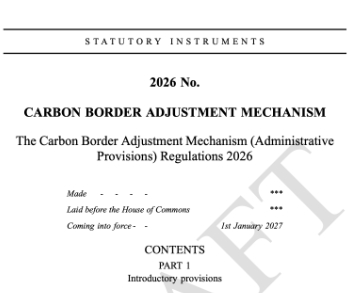
What CBAM is and what to do about it.
The new towns and strategic environmental assessments
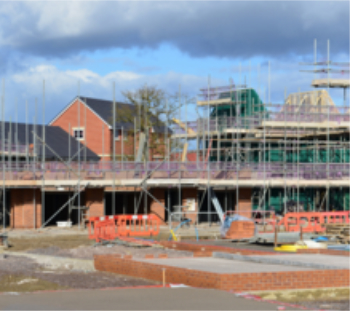
12 locations of the New Towns Taskforce reduced to 7 within the new towns draft programme and open consultation.

Buildings that changed the future of architecture. Book review.
The Sustainability Pathfinder© Handbook
Built environment agency launches free Pathfinder© tool to help businesses progress sustainability strategies.
Government outcome to the late payment consultation, ECA reacts.
IHBC 2025 Gus Astley Student Award winners

Work on the role of hewing in UK historic conservation a win for Jack Parker of Oxford Brookes University.
Future Homes Building Standards and plug-in solar

Parts F and L amendments, the availability of solar panels and industry responses.
How later living housing can help solve the housing crisis

Unlocking homes, unlocking lives.
Preparing safety case reports for HRBs under the BSA
A new practical guide to preparing structural inputs for safety cases and safety case reports published by IStructE.
Male construction workers and prostate cancer

CIOB and Prostate Cancer UK encourage awareness of prostate cancer risks, and what to do about it.