





Copyright, Designs and Patents Act 1988
The Copyright, Designs and Patents Act 1988 (CDPA 1988) is the primary UK legislation governing intellectual property, protecting original artistic works, as well as literary, dramatic, musical, sound recordings, films, and broadcasts. It grants creators exclusive rights to control copying, distribution, broadcasting, and adaptation, while also establishing moral rights and design rights. The act was designed to provide stronger protection against piracy, particularly for new media, and updated the legal framework for industrial designs. Key aspects of the Act of law include:
- Providing creators the right to be identified (paternity) and to object to derogatory treatment of their work (integrity), known as Moral Rights.
- Introducing a design right for original, non-registered designs, amending the Registered Designs Act 1949.
- Including fair dealing provisions for research, private study, criticism, news reporting, and education or exceptions.
- Automatically protecting original works upon creation, with duration typically lasting 50 to 70 years, depending on the type of work (copyright protection)
- Unauthorised copying, renting, lending, performing, or broadcasting of protected material are restricted acts and constitute infringement.
- In general the author is the first owner, but works created by employees in the course of employment belong to the employer.
For the full Act of law see Copyright, Designs and Patents Act 1988 (CDPA 1988), up to date with all changes known to be in force on or before 08 February 2026. There are changes that may be brought into force at a future date.
[edit] Related articles on Designing Buildings
- Appointing consultants.
- Assignment.
- Building component.
- Concept design.
- Concept..
- Confidentiality clause.
- Copyright.
- Design coordination.
- Design management.
- Design methodology.
- Design principles.
- Detailed design..
- Design protection.
- Intellectual proper.
- Manual drafting techniques.
- Mood board.
- Non-disclosure agreement.
- patents.
- Prejudice to commercial interests.
- Proprietary information.
- Royalties.
- Trade secrets.
- Trade mark.
- Truth to materials.
- UK consults on proposals to give creative industries and AI developers clarity over copyright laws
- What is design?
Featured articles
Check out some of the best features and news from Designing Buildings as well as key stories from around the web.
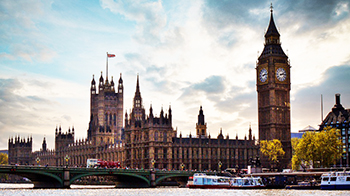
Your views needed - a strategy for the professions, trades and occupations.

Confronting competency, codes, capacity and costs.

The hidden risk in modern construction supply chains.
Construction Management, 10 June
24 months to 14: CITB launches accelerated apprenticeships.
Bridging the gap between clients and contractors

Concerns remain around contractor quality, capability, and delivery.
Construction Management, 10 June.
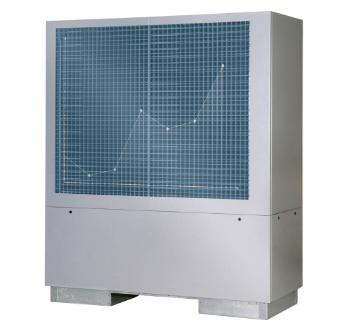
Heat pumps beat boilers in new home tests.
Building Safety Act implementation in Wales

CIAT to host industry panel on 26 June.
New and updated CLC building safety guidance.
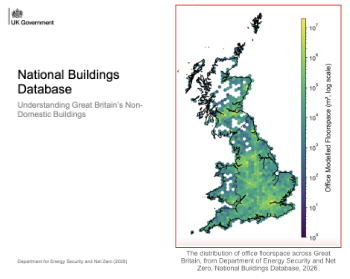
New UK National Buildings Database.
Building Safety Wiki Interviews

Chief executive of the British Woodworking Federation.
Planning condition discharge in England and Wales

A brief explanation from a building compliance expert, with further links.