





Cob building
Cob, also known as cobb, is a building material that comprises subsoil, straw (or another fibrous organic material), water, and occasionally lime. There is evidence of cob being used for building construction purposes in prehistoric times in various parts of the world and it was used for centuries in the south-west of England. Cob building has experienced something of a revival in recent years as a form of sustainable construction.
Depending on the contents of the subsoil, sand or clay can be added to achieve the best possible mixture for building. For example, traditional English cob, which was used up until the 1800s when it began to be replaced by more modern construction methods, was a mixture of clay-based subsoil, sand, straw and water.
Building with cob is a labour-intensive process, which may begin with shovelling or stamping together the cob mixture in foundation courses. The foundation must be wider than the wall, typically by around 300 mm, and sufficiently deep for the load requirements.
Cob walls are laid in courses, each one being left to completely dry before the next one is laid. In this way, the walls are built up steadily, tapering slightly as they rise. As cob is strong in terms of load-bearing, two-storey buildings are possible. Windows and doors can be either embedded as the walls are built up, either using lintels to support the top, or cut out when fully complete. One of the advantages of using cob is that the walls can be built up to any shape required, making it very flexible in terms of design.
Traditionally, thick walls (approximately 60 cm) have provided good thermal mass, which retains heat in cold seasons and keeps the interior cool in hot seasons. It also provides excellent thermal insulation, generally exceeding minimum U-values for domestic buildings.
A suitable roof overhang is necessary to protect the cob walls and foundation from moisture. At least 200 mm overhang is typical. If vertical cracks develop, cob or clay tiles can be used to fix them before moisture penetration risks damaging the wall. Cob walls are traditionally left bare or rendered with lime to allow them to dry out naturally after becoming wet.
Cob is fire-proof, resistant to seismic activity, and tends to be inexpensive, albeit time-consuming.
[edit] Related articles on Designing Buildings
Featured articles
Check out some of the best features and news from Designing Buildings as well as key stories from around the web.
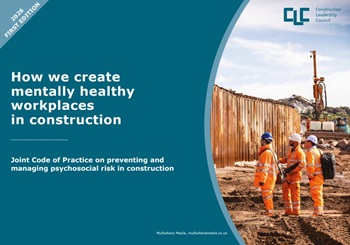
CLC publishes Mental Health Joint Code of Practice.
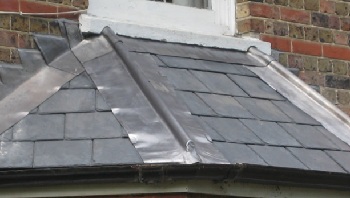
A quick introduction to its uses and risks.
Construction Management, 17 June

Government rolls out digital planning tool to all local authorities.

Your views needed - a strategy for the professions, trades and occupations.

Confronting competency, codes, capacity and costs.

The hidden risk in modern construction supply chains.
Construction Management, 10 June

24 months to 14: CITB launches accelerated apprenticeships.
Bridging the gap between clients and contractors

Concerns remain around contractor quality, capability, and delivery.
Construction Management, 10 June.

Heat pumps beat boilers in new home tests.
Building Safety Act implementation in Wales

CIAT to host industry panel on 26 June.
New and updated CLC building safety guidance.