




Clairvoyee

|
| This clairvoyee looks into the Cherry Garden at Ham House. |
The word clairvoyee (or claire-voie) is a gardening term associated with a 'window' created to display a landscape or vista. It is derived from two French words that can be loosely translated to mean “providing a clear pathway to light”.
They were first introduced into formal French 17th century gardens and subsequently became popular with the English aristocracy who incorporated them into country homes and estates.
They are typically formed by cutting a hole through a hedge, wall, screen, fence or gate. The hole may be covered by a grille, which can be a decorative feature that also serves security purposes.
These openings are intended to reveal to the viewer, a framed scene of another part of the garden or landscape, or of a folly or eyecatcher.
Clairvoyee is also associated with the term clerestory, which is a type of window that is usually found at or near the roof line.
[edit] Related articles on Designing Buildings Wiki
Featured articles
Check out some of the best features and news from Designing Buildings as well as key stories from around the web.
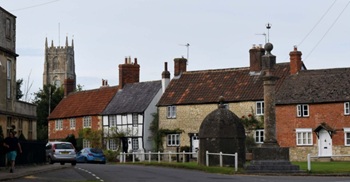
When buildings reflected the local resources available.

CIOB reports 57% are using artificial intelligence technologies.

More of England’s ‘hidden heroes’ will be celebrated.

CIAT calls for retrofit to be a priority.

Version 6 is now available, along with guidance for ECA members.

Post-War Homes: mid-century British architecture. Book review.

CIAT reflects on the party conferences.

CIOB announce the winners of the Art of Building photography competition.

National Scheme of Delegation introduced.

The cost of employing people remains a concern.
Code of Practice for Electrical Energy Storage Systems.

ECA calls on members to comment on draft 4th edition.
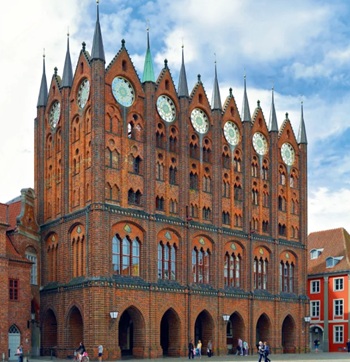
Bringing together expertise and creating cultural benefits.