




Design life
The design life (or design service life) of a building, other structure or component, is the period of use as intended by the designer after which it may need to be replaced. Before this period has elapsed, it should remain fit for purpose.
Design life will vary according to the type and use of the element being considered. BS EN 1990, Eurocode - Basis of structural design, (Eurocode 0) gives indicative design lives for various types of structure:
- Category 1: Temporary structures, not including structures or parts of structures that can be dismantled with a view to being re-used – 10 years.
- Category 2: Replaceable structural parts, e.g. gantry girders, bearings – 10 to 25 years.
- Category 3: Agricultural and similar buildings – 15 to 30 years.
- Category 4: Building structures and other common structures – 50 years.
- Category 5: Monumental building structures, bridges and other civil engineering structures – 100 years.
The design life of some components may be affected by environmental factors such as:
- Moisture, humidity and rain.
- Wind.
- Temperature and temperature fluctuations.
- Pollution.
- Solar radiation.
It may also be affected by considerations such as maintenance practices, intensity of use, and so on.
There is no legally agreed definition of design life (in fact, there is not even a legally agreed definition of 'design'), so if it is to be included in contract documentation as a performance requirement, it is important that it is carefully defined within the contract documents and that it is consistent with all other requirements in the contract documents.
Several other definitions have been developed to quantify the life of buildings, structures and their components, including:
[edit] Related articles on Designing Buildings
- Cradle-to-grave.
- Decommissioning.
- Demolition.
- Economic life.
- End of life potential.
- Fitness for purpose.
- Functional life.
- Life.
- Life cycle.
- Life cycle assessment.
- Obsolescence.
- Permanent structure.
- Re-evaluating the design life of buildings.
- Required life.
- Service life.
- Structures at the end of their design life.
- Technical life.
- Temporary structure.
- Useful life.
- Utilising life cycle costing and life cycle assessment.
- Whole-life costs.
- Whole-life value.
Featured articles
Check out some of the best features and news from Designing Buildings as well as key stories from around the web.
Fire performance of thermal insulation
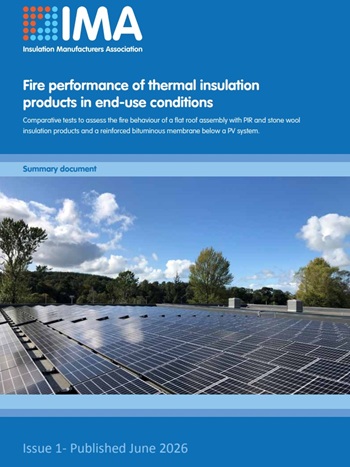
Flat roof assemblies with PV.
Become a Professional Development Partner

CIOB launches a new framework for staff development and chartered membership.
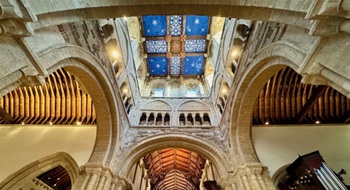
Dorset's first conservation campaigner?
Gov.uk - Hot-rolled steel plate

New anti-dumping measure imposed on South Korea.
ECA responds to the Milburn Report

Youth employment to be linked to workforce demand.
The construction industry urgently needs to attract new talent
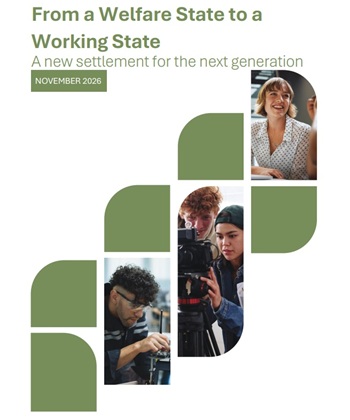
CIOB responds to Neets report.
Grenfell Tower community update

Memorial columns to be retained as careful dismantling continues.
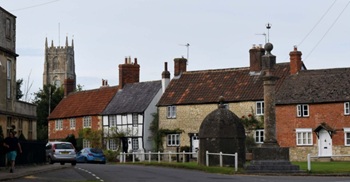
When buildings reflected the local resources available.

CIOB reports 57% are using artificial intelligence technologies.

More of England’s ‘hidden heroes’ will be celebrated.

CIAT calls for retrofit to be a priority.

Version 6 is now available, along with guidance for ECA members.
Comments