






Building MOTs scheme

How to control and manage buildings efficiently and sustainably while providing the occupants with the necessary level of safety, health, and comfort they need is a question which appears large for many building owners/operators. This fundamental question is addressed by BSRIA's new Building MOTs Scheme.
The Scheme provides the opportunity for organisations to systematically collect useful information that could return essential and immediate improvement strategies for their two most important assets – their people and buildings and the connection between the two.
The scheme is designed to enable the building operators to ensure the objectives of the building regulations are met and retained throughout the building life. It also emphasises how to drive a culture of continuous improvement towards leading industry practice. This will give the owners, tenants and occupants in general the peace of mind that their building provides a safe, healthy and comfortable working environment.
The BSRIA Building MOTs scheme is being designed to methodically assess the wellness of various aspects of a building that can affect the health and happiness of its occupants. This scheme is designed to give building owners/operators guidance on what the next steps after compliance look like.
The BSRIA Building MOTs scheme is applicable to new, refurbished and existing buildings. For new buildings, the scheme should be applied no earlier than 18 months after occupancy, i.e. during aftercare period. The scope of the scheme covers buildings operational aspects that have the potential to affect occupants’ safety and wellbeing and can be managed and controlled by building operators.
The operational aspects of buildings will be evaluated through 80 features that have been identified through literature reviews and a series of workshops with high-profile academics as well as a number of industry professionals. These features are grouped in the scheme within three main categories:
- Physical category which covers indoor environmental quality factors as well as the features associated with the safety of the building.
- Functional category which concerns the features that can affect the efficiency of the operational performance of the building as well as the occupants’ performance.
- Psychological category which refers to the features that affect occupants’ mental health and happiness.
This scheme is structured so that buildings can be easily audited. The concept could be applied to all types of buildings. However, the first version of the scheme, which will be published in 2018, will focus essentially on office buildings. Tailored versions of the Scheme to suit other types of building will come later.
This article was originally published here in February 2018 by BSRIA. It was written by Dr. Michelle Agha-Hossein, Sustainable Building Consultant, BSRIA Sustainable Construction Group.
--BSRIA
[edit] Find out more
[edit] Related articles on Designing Buildings Wiki
Featured articles and news
Costs and insolvencies mount for SMEs, despite growth

Construction sector under insolvency and wage bill pressure in part linked to National Insurance, says report.
The place for vitrified clay pipes in modern infrastructure
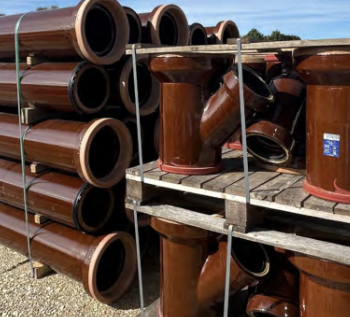
Why vitrified clay pipes are reclaiming their role in built projects.

Research by construction PR consultancy LMC published.
Roles and responsibilities of domestic clients
ACA Safety in Construction guide for domestic clients.
Fire door compliance in UK commercial buildings

Architect and manufacturer gives their low down.
Plumbing and heating for sustainability in new properties
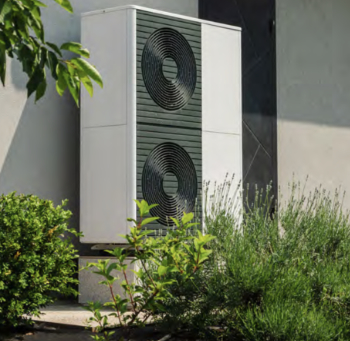
Technical Engineer runs through changes in regulations, innovations in materials, and product systems.
Awareness of the Carbon Border Adjustment Mechanism
What CBAM is and what to do about it.
The new towns and strategic environmental assessments
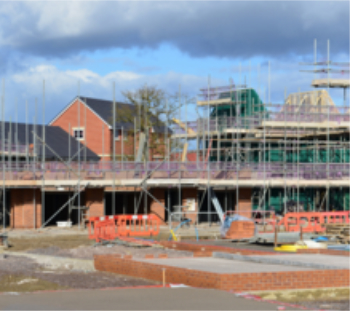
12 locations of the New Towns Taskforce reduced to 7 within the new towns draft programme and open consultation.
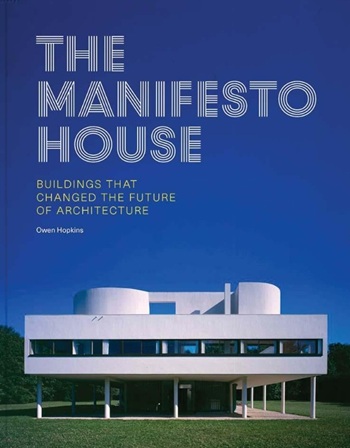
Buildings that changed the future of architecture. Book review.
The Sustainability Pathfinder© Handbook
Built environment agency launches free Pathfinder© tool to help businesses progress sustainability strategies.
Government outcome to the late payment consultation, ECA reacts.
IHBC 2025 Gus Astley Student Award winners
Work on the role of hewing in UK historic conservation a win for Jack Parker of Oxford Brookes University.
Future Homes Building Standards and plug-in solar
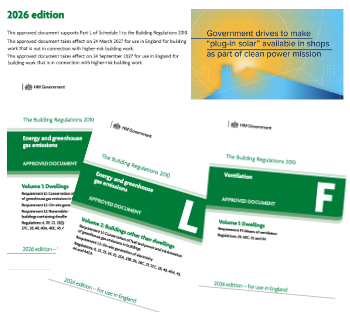
Parts F and L amendments, the availability of solar panels and industry responses.
How later living housing can help solve the housing crisis
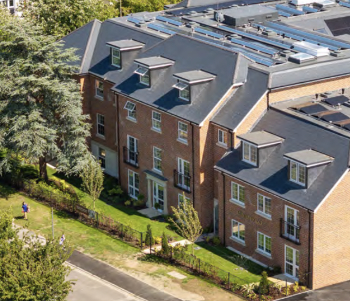
Unlocking homes, unlocking lives.
Preparing safety case reports for HRBs under the BSA
A new practical guide to preparing structural inputs for safety cases and safety case reports published by IStructE.
Male construction workers and prostate cancer

CIOB and Prostate Cancer UK encourage awareness of prostate cancer risks, and what to do about it.