





Automated blinds

Contents |
[edit] Introduction
Automated blinds (or smart blinds) are window treatments that are operated by a motor situated within the roller mechanism. The motors can be wired, battery or solar powered, and the blinds can be adjusted by switch or remote control. They can also be wired directly into an integrated building automation system in large scale applications or controlled by systems such as Amazon Alexa or Google Home voice controls in small scale applications.
[edit] Energy management applications
Automated blinds can be used in conjunction with daylight systems designed to optimise natural lighting. The automated blinds can be programmed to work with sensors that measure natural lighting levels so the blinds are automatically repositioned as sunlight levels increase or decrease. Automated blinds can coordinate with automated lighting systems that respond to sunlight levels to create an integrated and efficient approach.
The blinds can be programmed to respond to natural temperature fluctuations that occur when excessive levels of sunlight create unwanted solar gain or an increased demand for cooling. When specific temperatures are reached, the blinds can automatically respond in a manner that supports heating and cooling targets. They can also be raised automatically when interior temperatures are low so that warmth from the sun can be allowed to enter.
These capabilities can be particularly valuable in spaces with tall windows, windows positioned well above the floor, or south facing windows.
[edit] Remote controls
Remote controls on automated blinds allow users to make adjustments more easily. For example, installations can be programmed to work through mobile phone apps.
This allows users to adjust the blinds for lighting levels, solar gain, glare and privacy based on their individual needs and preferences. Apps also make it possible for users to enhance security by operating blinds remotely or on timers.
[edit] Related articles on Designing Buildings Wiki
Featured articles
Check out some of the best features and news from Designing Buildings as well as key stories from around the web.
Bridging the gap between clients and contractors

Concerns remain around contractor quality, capability, and delivery.
Construction Management, 10 June.
Heat pumps beat boilers in new home tests.
Building Safety Act implementation in Wales
CIAT to host industry panel on 26 June.
New and updated CLC building safety guidance.
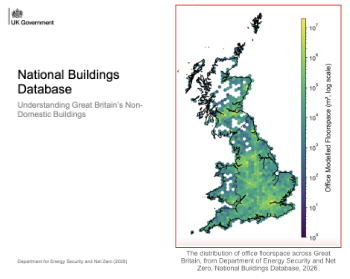
New UK National Buildings Database.
Building Safety Wiki Interviews

Chief executive of the British Woodworking Federation.
Planning condition discharge in England and Wales

A brief explanation from a building compliance expert, with further links.
Overheating guidance and tools for building designers

Guidance for dealing with element of building fabric control that have increasing importance.
Shading for housing, a design guide

From the Good Homes Alliance and British Blind and Shutter Association.
UK Standard Skills Classification (SSC)

A shared framework for describing skills needs.
Social media ban consultation comes to close

CIOB urges UK Government to consider social media’s role in careers guidance in ban debate.