





Approved equal
In the UK construction industry, the term "Approved Equal" refers to a product, material, or equipment that is not specifically listed or named in the contract documents (such as specifications or drawings) but is considered acceptable as a substitute because it meets the specified performance and quality criteria. It is a mechanism that allows for flexibility in the selection of materials and products, provided that they meet the required standards and receive the necessary approvals. This term ensures that alternatives can be considered without compromising the quality or performance of the construction project.
- The "Approved Equal" must comply with the performance specifications, standards, and quality levels outlined in the contract documents. It should provide the same functionality, durability, and performance as the specified item.
- The contractor or supplier proposing an "Approved Equal" must seek approval from the project’s architect, engineer, or client representative. This usually involves submitting technical data, certifications, and possibly samples for review.
- The approval process considers various factors, including technical performance, compatibility with other components, aesthetics, lifecycle costs, and any impact on the construction schedule.
- Substituting with an "Approved Equal" should not increase the project's overall cost unless agreed upon by all parties. If the substitution leads to cost savings, these may be shared according to the contract terms.
- The use of an "Approved Equal" must be formally documented in the project records. This often involves written approval or a change order, ensuring that there is a clear and traceable record of the decision.
- The responsibility for ensuring that the "Approved Equal" meets the required standards typically falls on the contractor. Any risks associated with the substitution, such as potential defects or failures, may also rest with the contractor unless otherwise agreed.
- The concept of "Approved Equal" provides flexibility in procurement, allowing contractors to propose alternative products that might be more readily available, cost-effective, or innovative while still meeting project requirements.
See also: Equal approved and Substitution terminology in construction.
[edit] Related articles on Designing Buildings
- Contractor's designed portion.
- Contract documents.
- Equal approved
- Final specifications.
- Outline specification.
- Output-based specification.
- Material substitute.
- Performance.
- Performance specification.
- Prescriptive specification.
- Production information.
- Public procurement.
- Service level specification.
- Specification.
- Specification basics.
- Substitute.
- Tender documentation.
Featured articles and news
Costs and insolvencies mount for SMEs, despite growth

Construction sector under insolvency and wage bill pressure in part linked to National Insurance, says report.
The place for vitrified clay pipes in modern infrastructure
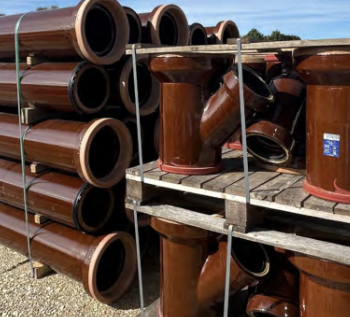
Why vitrified clay pipes are reclaiming their role in built projects.

Research by construction PR consultancy LMC published.
Roles and responsibilities of domestic clients

ACA Safety in Construction guide for domestic clients.
Fire door compliance in UK commercial buildings

Architect and manufacturer gives their low down.
Plumbing and heating for sustainability in new properties

Technical Engineer runs through changes in regulations, innovations in materials, and product systems.
Awareness of the Carbon Border Adjustment Mechanism
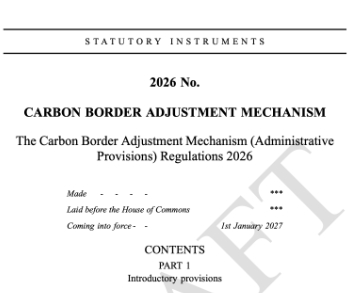
What CBAM is and what to do about it.
The new towns and strategic environmental assessments

12 locations of the New Towns Taskforce reduced to 7 within the new towns draft programme and open consultation.
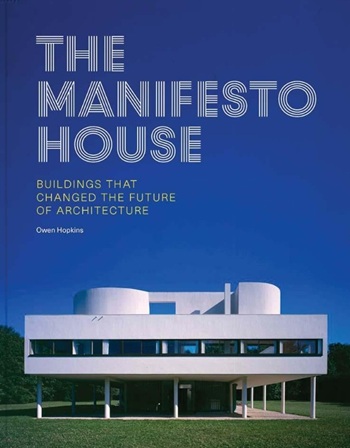
Buildings that changed the future of architecture. Book review.
The Sustainability Pathfinder© Handbook
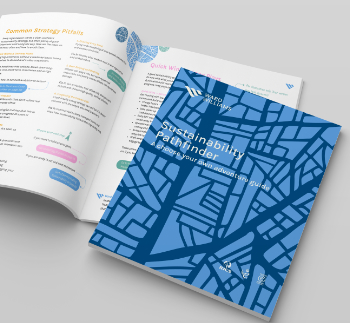
Built environment agency launches free Pathfinder© tool to help businesses progress sustainability strategies.

Government outcome to the late payment consultation, ECA reacts.
IHBC 2025 Gus Astley Student Award winners

Work on the role of hewing in UK historic conservation a win for Jack Parker of Oxford Brookes University.
Future Homes Building Standards and plug-in solar
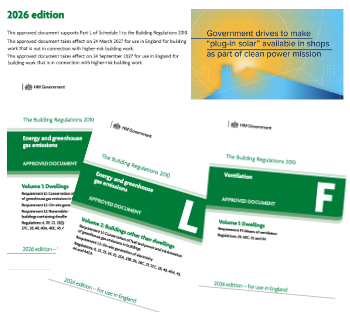
Parts F and L amendments, the availability of solar panels and industry responses.
How later living housing can help solve the housing crisis

Unlocking homes, unlocking lives.
Preparing safety case reports for HRBs under the BSA
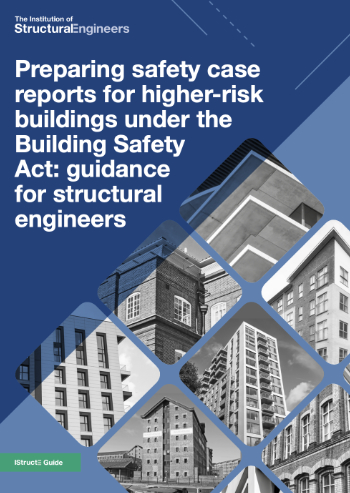
A new practical guide to preparing structural inputs for safety cases and safety case reports published by IStructE.
Male construction workers and prostate cancer

CIOB and Prostate Cancer UK encourage awareness of prostate cancer risks, and what to do about it.