





Alternative site assessment ASA

Contents |
[edit] Introduction
An Environmental Impact Assessment (EIA) ensures that the environmental effects of a proposed development are properly considered. For more information see: Environmental Impact Assessment. It provides the local planning authority with better information about certain types of projects, enabling them to make a more informed decision about whether permission should be granted and to allow imposition of more appropriate conditions and obligations to mitigate possible negative impacts.
It will typically include assessment of appropriate alternatives, including an alternative site assessment (ASA).
[edit] Purpose
The purpose of an ASA is to explore whether or not the site proposed for a development is the most suitable one, or whether alternative sites could be preferable.
Due to the impact they may have on the outcome of the planning process, it is important to have ASAs undertaken during the very early stages of a project - not as a process of post-rationalisation after a site has already been selected, and very early appraisals of potential sites may be carried out by a surveyor before the appointment of the consultant team during the business justification stage.
[edit] ASA guidance
There is no formally prescribed process or methodology for undertaking an ASA. The process should be adapted to the characteristics of different projects. However, the Surrey County Council offers suggested stages of an ASA, including:
[edit] Assessment of requirements
- Physical, including size of site and building requirements.
- Access, including distance to and from roads.
- Location, including desirability based on the existing or proposed area of operations.
- Relationships, including proximity to any existing/remaining premises, suppliers, markets.
[edit] Criteria for ASAs
- Whether the site is previously developed land or in active use for the proposed development.
- Likely visual impact.
- Standard of access.
- Likely impact on residential amenities.
- Distance from designated (i.e. environmentally sensitive) areas.
- Flood risk.
- Site availability (e.g. evidence of whether the site is listed for sale).
[edit] Related articles on Designing Buildings
Featured articles
Check out some of the best features and news from Designing Buildings as well as key stories from around the web.
Your views needed - a strategy for the professions, trades and occupations.

Confronting competency, codes, capacity and costs.
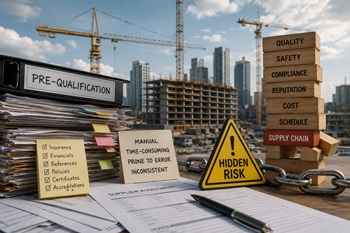
The hidden risk in modern construction supply chains.
Construction Management, 10 June

24 months to 14: CITB launches accelerated apprenticeships.
Bridging the gap between clients and contractors

Concerns remain around contractor quality, capability, and delivery.
Construction Management, 10 June.
Heat pumps beat boilers in new home tests.
Building Safety Act implementation in Wales
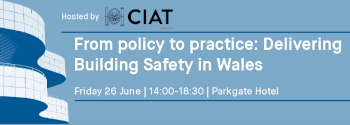
CIAT to host industry panel on 26 June.
New and updated CLC building safety guidance.
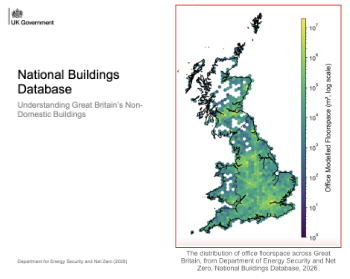
New UK National Buildings Database.
Building Safety Wiki Interviews

Chief executive of the British Woodworking Federation.
Planning condition discharge in England and Wales

A brief explanation from a building compliance expert, with further links.