





5 Infrastructural Issues That Can Harm Your Company's Reputation

Contents |
[edit] Introduction
Good management skills, great hierarchy and working with integrity and work ethics can make your company’s reputation in the market. But upholding that reputation can be a difficult task. There are several factors which can damage a company's reputation, but few organisations realise that deteriorating infrastructure can be one of them.
[edit] Poor company banner
If a company building does not display a banner or a hoarding with the company’s name, it can do serious damage to its reputation. The company operates as a separate entity which makes it highly important to uphold its name and also showcase it on the company building for clear identification. If a company displays a banner or logo which is tarnished or in poor condition, it can directly signify the condition of the company’s working environment which will eventually damage its reputation.
[edit] Lack of staff facilities
A cafeteria or kitchen area is an important place for any business organisation because a company cannot expect the employees to be working every minute of the day. Since they need some time to relax and eat in a non-serious environment, a cafeteria provides just that to the employees and the company. It provides an environment for the employees which serves as a rejuvenation and relaxation point to help them work more efficiently.
[edit] Lack of parking
A successful business is one that attracts clients and keeps their employees satisfied. One of the aspects sometimes ignored by business owners is parking space, despite having great products and excellent services. Parking space shortages can cause problems for the business in the long run.
[edit] Poor building services
The significance of air quality should not be ignored as it can have a harmful effect on employees health and comfort. Poor conditions not only affect concentration but reduce energy levels as well. It is essential in offices to provide proper ventilation to improve general comfort levels for the overall wellbeing and productivity of employees .
[edit] Lack of space for recreational activities
Employees are one of the most important resources for any business, and an organisation's success depends on the amount and quality of work they produce. This in turn depends on employees' satisfaction with their work and their social life in the workspace.
A lack of space is one barrier that can stop employees getting involved in social/recreational activities which in turn can have an adverse impact on work-life balance. A successful business is one that infuses enthusiasm and a positive, vibrant mentality among its workforce.
[edit] Conclusion
When establishing a business, ensure there are proper facilities available for clients and employees. The needs of the business should be adequately researched and analysed. Infrastructural issues should not be allowed to damage the business.
[edit] Related articles on Designing Buildings Wiki
Featured articles
Check out some of the best features and news from Designing Buildings as well as key stories from around the web.

Combining mid-career qualifications with experience broadens career opportunities.

Why being a mentor can help your career.

Channel 4 broadcaster to host 125th anniversary ceremony.
Listed structures on the rail network
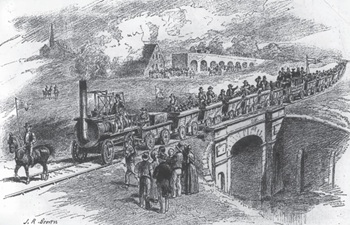
Heritage interests and operational requirements must be balanced.
Historic England publishes research into embodied carbon when retrofitting traditional buildings.

New Prime Minister delivers on ECA call for cut in electricity costs.

CIOB reacts to the announcement of Andy Burnham as Prime Minister.

Heritage and conservation science workforce survey - Have your say.

England's Suburbs 1820-2020. Book review.

New, more proportionate and targeted approach for higher-risk building assessments.
Government brings British Steel into public ownership.
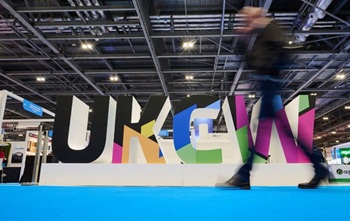
UKCW Birmingham returns with bold new theme and focus.