





Commercial management for construction businesses
The Institute of Commercial Management (ICM) defines commercial management as: 'The identification and development of business opportunities and the profitable management of projects and contracts, from inception to completion.'
In construction, commercial management generally refers to the overseeing and management of a project's finances as it progresses. It can also refer to the long-term management of business opportunities that will enable the organisation to develop and grow.
The commercial manager must maximise business potential in terms of growth and profitability, while monitoring and controlling internal processes as well as managing external relationships with subcontractors, clients, and so on.
Due to the complexity of valuing and costing construction projects, commercial management has developed into a technical discipline, most commonly undertaken by quantity surveyors. Often quantity surveyors progress to become commercial managers, with responsibility for a commercial team and reporting to the project manager.
A successful construction project is one that is delivered on time, to budget and at the required quality. Commercial managers balance these drivers with longer-term strategy of the business and the client's own commercial drivers. If a project achieves, or exceeds, the anticipated return for the business, with the client relationship maintained or improved, then the commercial management strategy will be seen to have been a success.
In its widest sense, commercial management can be considered to cover:
- Accounting.
- Assessment of financial viability.
- Budget planning, monitoring, and forecasting.
- Estimating, tendering and procurement.
- Cash flow forecasting.
- Contract administration, valuation, variations, disputes, claims and negotiation.
- Risk management and value management.
- Supply chain management.
- Business development and planning.
Commercial management for construction businesses has evolved into a data-driven, future-looking discipline. By combining financial control, contract expertise, lean/agile methods, BIM/VDC, modular construction, and sustainability commitments, modern commercial managers enable businesses to deliver value while managing risk in an increasingly complex and costsensitive environment.
[edit] Related articles on Designed Buildings
- Accounting.
- Budget.
- Business plan.
- Capital costs.
- Commercial manager.
- Commercial management and quantity surveying course essentials.
- Construction buyer.
- Consultant team for design and construction.
- Cost consultant.
- Cost engineering.
- Hiring an architect as a commercial client.
- Interview with Liam Huntley - Commercial Manager.
- Letter of credit.
- Managing the procurement process.
- Organisation.
- Payment.
- Project manager.
- Quantity surveyor.
- Turnover.
- Valuation of interim payments.
- Whole-life costs.
Featured articles
Check out some of the best features and news from Designing Buildings as well as key stories from around the web.

The heritage of nuclear and conventional power stations.
New measures to stop people being ripped off

Government to protect families from cowboy builders and aggressive bailiffs.

New Futurebuild showcase brings an innovation-first approach.
National Planning Policy Framework
Understanding the 2026 changes.
ECA's public affairs priorities

Member consultation opens to shape priorities for 2027 to 2030.

Dutyholder responsibilities from 1 July 2026.
Where performance meets practice

The Building Envelope Stage at UKCW Birmingham.

CIAT publishes briefing on planning reforms.
Leaders in Learning for Practice Network

Call for conservation leaders in learning to register interest in new network.
The importance of early engagement
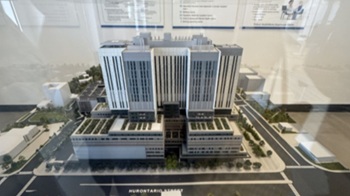
Construction lessons from the Trillium HealthWorks Experience Centre.
Mayors are to be given planning call in powers

Mayors across England will be able to make the most important planning decisions.

The Master Builder: William Butterfield and his times. Book review.
Comments
Commercial management is a crucial aspect of running a successful construction business. It involves the strategic planning, financial management, and overall administration of projects to ensure profitability, efficiency, and adherence to contractual agreements. Here are key components of commercial management for construction businesses:
1. **Cost Estimation and Pricing:** Accurate cost estimation is essential for winning contracts and ensuring profitability. Commercial managers analyze project requirements, materials, labor, overheads, and other expenses to provide competitive and accurate bids.
2. **Contract Management:** Understanding and negotiating contracts is vital. Commercial managers review contract terms, negotiate changes when necessary, and ensure that the business is compliant with contractual obligations throughout the project's lifecycle.
3. **Risk Assessment and Management:** Commercial managers identify and assess potential risks that could impact project timelines, costs, and outcomes. They develop strategies to mitigate risks, such as fluctuating material prices, regulatory changes, or unexpected delays.
4. **Financial Planning and Budgeting:** Commercial managers create project budgets, allocate resources, and monitor spending throughout the project. They track expenses against the budget and make adjustments as needed to control costs.
5. **Procurement and Supply Chain Management:** Commercial managers oversee the procurement of materials, equipment, and subcontractor services. They establish relationships with suppliers, negotiate contracts, and ensure timely delivery of materials to keep projects on schedule.
6. **Cash Flow Management:** Ensuring a healthy cash flow is essential for sustaining the business. Commercial managers monitor incoming payments, manage payment schedules, and coordinate with the finance team to ensure steady cash flow.
7. **Change Management:** During construction projects, changes to scope, design, or other elements can arise. Commercial managers assess the impact of changes on costs, timelines, and contractual obligations, and work to manage these changes effectively.
8. **Billing and Invoicing:** Commercial managers generate accurate and timely invoices for clients based on project milestones or completed work. Proper invoicing helps maintain transparency and ensures timely payments.
9. **Profitability Analysis:** Commercial managers analyze project profitability by comparing actual costs and revenue against the initial estimates. This analysis helps identify areas where cost-saving measures can be implemented.
10. **Client Relationship Management:** Building and maintaining strong relationships with clients is essential for repeat business. Commercial managers address client concerns, provide updates on project progress, and ensure that clients are satisfied with the project outcomes.
11. **Dispute Resolution:** In case of disputes or conflicts with clients, subcontractors, or suppliers, commercial managers work to find amicable solutions while minimizing the impact on the project and the business's reputation.
12. **Compliance and Regulations:** Commercial managers ensure that the business complies with industry regulations, building codes, and legal requirements. Non-compliance can lead to costly delays and legal issues.
13. **Performance Reporting:** Regular reporting on project progress, financial performance, and key performance indicators (KPIs) is essential for informed decision-making and ongoing improvement.
14. **Professional Development:** Commercial managers stay updated on industry trends, regulations, and best practices to enhance their skills and knowledge.
In essence, effective commercial management for construction businesses requires a combination of financial acumen, strategic planning, communication skills, and a thorough understanding of the construction industry. By managing costs, contracts, risks, and client relationships, commercial managers contribute to the success and growth of the business.