





Natural stone cladding

Natural stone cladding is the use of a thin layer of stone as a cladding for the outside of a structure. It is also sometimes used on internal surfaces. When applied properly, the thin layers achieve a textured and three-dimensional appearance, giving the impression that the structure is constructed entirely of natural stone.
Typically, stone cladding is used:
- To give a stone finish to an existing structure.
- To create a stone finish at lower weight, and so with reduced structural support requirements.
- To allow faster and lower cost installation.
- To allow modern the use of modern construction techniques and high-performance detailing, but with a traditional appearance.
- To allow off-site manufacturing, with reduced on-site construction.
- To reduce waste.
Stone cladding is manufactured by quarrying natural stone and milling it into thin pieces. A range of different sizes, thicknesses, shapes and patterns can be created according to the specification of the design. Cladding can be supplied either as single stone pieces, or as large, bespoke panels prefabricated form a number of pieces, such as storey-height panels or shaped parts such as reveals and lintels.
To accommodate the weight of natural stone, the cladding system should be fixed mechanically to structural substrate layers. This can be done using shelf angles or specially-made stone clips.
Alternatively, cladding panels can be made by laminating thin pieces of stone onto a carrier panel made from lightweight concrete. Because the two materials have similar physical characteristics, they work well together as a composite and provide good weather protection.
Where very thin stone pieces are used (around one inch thick), providing a final finish to a substrate such as blockwork, this may be described as a 'stone veneer'.
[edit] Related articles on Designing Buildings Wiki
- Ashlar.
- Brick.
- Brick veneer.
- Building fabric.
- Building with structural stone.
- Choosing stone.
- Cladding.
- Defects in stonework.
- Inspecting stone sample panels.
- Limestone for building.
- Masonry.
- Natural stone.
- Natural stone tiles.
- Patio stone.
- Pebbledash.
- Rustication.
- Stone dressing.
- Sustainable stone.
- Tufa and tuff
- Types of stone.
- Wall types.
Featured articles and news
Costs and insolvencies mount for SMEs, despite growth

Construction sector under insolvency and wage bill pressure in part linked to National Insurance, says report.
The place for vitrified clay pipes in modern infrastructure

Why vitrified clay pipes are reclaiming their role in built projects.

Research by construction PR consultancy LMC published.
Roles and responsibilities of domestic clients

ACA Safety in Construction guide for domestic clients.
Fire door compliance in UK commercial buildings

Architect and manufacturer gives their low down.
Plumbing and heating for sustainability in new properties

Technical Engineer runs through changes in regulations, innovations in materials, and product systems.
Awareness of the Carbon Border Adjustment Mechanism
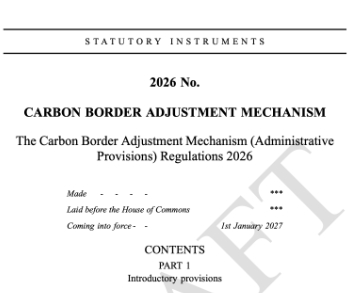
What CBAM is and what to do about it.
The new towns and strategic environmental assessments
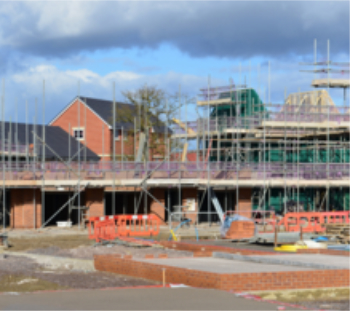
12 locations of the New Towns Taskforce reduced to 7 within the new towns draft programme and open consultation.

Buildings that changed the future of architecture. Book review.
The Sustainability Pathfinder© Handbook
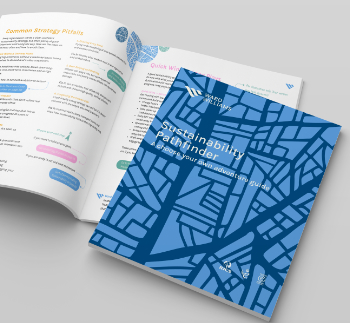
Built environment agency launches free Pathfinder© tool to help businesses progress sustainability strategies.

Government outcome to the late payment consultation, ECA reacts.
IHBC 2025 Gus Astley Student Award winners

Work on the role of hewing in UK historic conservation a win for Jack Parker of Oxford Brookes University.
Future Homes Building Standards and plug-in solar
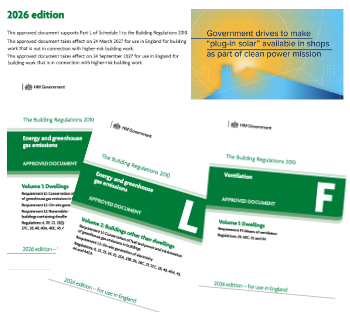
Parts F and L amendments, the availability of solar panels and industry responses.
How later living housing can help solve the housing crisis

Unlocking homes, unlocking lives.
Preparing safety case reports for HRBs under the BSA

A new practical guide to preparing structural inputs for safety cases and safety case reports published by IStructE.
Male construction workers and prostate cancer

CIOB and Prostate Cancer UK encourage awareness of prostate cancer risks, and what to do about it.
Comments
A must read book for any civil engineer
STONE CLADDING ENGINEERING
https://www.springer.com/us/book/9789400768475