





What are Types of Pipe Clamps?
Pipe clamps are essential components in a wide range of industries, providing crucial support and stability to piping systems. These versatile devices are designed to secure pipes, tubes, and hoses, ensuring they remain in place and function effectively. From construction to manufacturing, the use of pipe clamps is vital for maintaining system integrity and safety.
[edit] Types of Pipe Clamps
Pipe clamps come in numerous designs, each tailored to specific applications and requirements. Understanding the different types of pipe clamps can help industries choose the right solution for their needs.
Standard pipe clamps are the most commonly used type, featuring a simple design that consists of a clamp body and a fastening mechanism. These clamps are typically made from metal or plastic and are used to secure pipes in a fixed position.
U-bolt clamps are characterized by their U-shaped bolt design, which fits around the pipe and is secured with nuts on either end. These clamps are ideal for securing pipes to structural beams or other support systems.
Hinged pipe clamps feature a two-part design with a hinge, allowing them to be easily opened and closed around the pipe. This type of clamp is particularly useful for applications where pipes need to be frequently accessed or adjusted.
Cushioned pipe clamps include a layer of cushioning material, such as rubber or plastic, which surrounds the pipe. This cushioning helps to reduce vibrations, noise, and wear on the pipes, making them suitable for applications involving sensitive or high-vibration systems.
Spring clamps use a spring mechanism to provide constant tension on the pipe, ensuring a secure fit. These clamps are often used in automotive and HVAC systems, where temperature fluctuations and vibrations are common.
[edit] Benefits of Using Pipe Clamps
The use of pipe clamps offers numerous benefits across various industries. Here are some of the key advantages:
Improved Stability and Safety
Pipe clamps provide stability to piping systems, reducing the risk of pipe displacement or damage. This stability is crucial for maintaining the safety and integrity of the systems they support, preventing leaks, and ensuring reliable operation.
Cushioned pipe clamps are particularly effective at reducing vibrations and noise in piping systems. This is especially important in industries where machinery and equipment generate significant vibrations that could affect system performance and longevity.
Ease of Maintenance
Certain types of pipe clamps, such as hinged pipe clamps, are designed for easy installation and removal. This feature simplifies maintenance tasks, allowing for quick access to pipes for inspection, cleaning, or replacement.
Versatility
Pipe clamps are available in a wide range of sizes, materials, and designs, making them suitable for various applications. Whether it’s for a small plumbing project or a large industrial pipeline, there is a pipe clamp that meets the specific requirements.
Cost-Effective Solution
Using pipe clamps is a cost-effective way to secure piping systems. Their durability and reliability reduce the need for frequent replacements or repairs, leading to long-term savings for industries.
[edit] Conclusion
Pipe clamps play a crucial role in maintaining the stability, safety, and efficiency of piping systems across numerous industries. From the construction and manufacturing sectors to the automotive, oil and gas, and marine industries, these versatile devices provide essential support and protection to pipes, ensuring their proper function and longevity. By understanding the different types of pipe clamps and their applications, industries can make informed decisions and select the best solutions for their specific needs.
Pipe clamps are common industrial assemblies used to protect pipes and other components. The role: to ensure the stability and safety of piping systems. Usually made of metal materials with strong gripping power and durability, Zhiang offers a comprehensive range of solutions beyond Pipe Clamps, including Pipe Support and Spring Support Hanger. Trust Zhiang to elevate the reliability and performance of your piping systems.
Featured articles
Check out some of the best features and news from Designing Buildings as well as key stories from around the web.
Leaders in Learning for Practice Network

Call for conservation leaders in learning to register interest in new network.
The importance of early engagement

Construction lessons from the Trillium HealthWorks Experience Centre.
Mayors are to be given planning call in powers

Mayors across England will be able to make the most important planning decisions.

The Master Builder: William Butterfield and his times. Book review.

Why construction can't afford to ignore the skills gap.
Building Safety Regulator, 19 August

Gill Kernick appointed Independent Chair of Residents’ Panel.
Connecting knowledge, technology and conservation
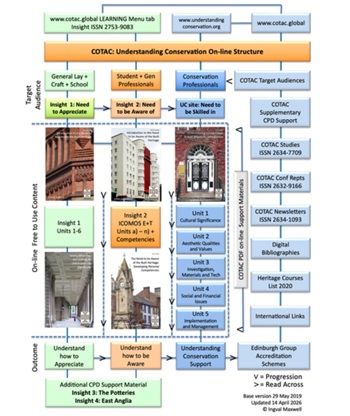
Building competence for the future of built heritage.
Building Regulations and Building Safety Act

CIOB publishes free advice for non-domestic clients.

Building Safety Newsletter from MHCLG.

An extraordinary record of steel engineering worldwide.

Households living near new pylons to save on bills.

ECA warns growth must not outpace grid capacity or skills.