






Using BREEAM to assess the sustainable sourcing and use of aggregates
Contents |
[edit] Introduction
In October 2017, the draft of the eagerly anticipated BREEAM UK New Construction (NC) 2018 was launched for consultation. Whilst there are many changes that will hopefully continue to improve the way we promote and assess the sustainability of new developments, some of the most interesting relate to assessment issue WST 02 in the ‘Waste’ category.
The new WST 02 is entitled ‘Use of recycled and sustainably sourced aggregates’, branching out from the previous topic of simply ‘Recycled aggregates’. Over the last year, KLH Sustainability, on behalf of The Crown Estate conducted extensive research into the UK aggregate industry and consulted with key members about a revised methodology for assessing aggregate use in construction. Out of this work, a new criteria and assessment methodology were proposed to BRE for the WST 02 assessment issue. The proposed criteria have now been published in the draft 2018 manual.
[edit] Why does it matter and why change the credit?
Aggregates are low value, high bulk materials and are vital in nearly every construction project. KLH Sustainability have previously written about the availability of recycled and secondary aggregates, and the potential consequences of trying to drive recycled and secondary aggregates up the value chain. An alternative approach to the assessment of sustainable sourcing and use of aggregates has been introduced, highlighting how aggregates should be evaluated holistically.
[edit] New proposal for WST 02
The new methodology aims to recognise and minimise social and environmental impacts of aggregate selection, sourcing and use. Three key assessment criteria, deemed significant for the aggregate industry, are used:
- local availability of aggregates – this uses the regional Abiotic Depletion Potential (ADP) of the aggregate type depending on the region from which it is sourced (see an explanation of ADP here);
- social cost of transportation – a monetary value is determined based on the cost of externalities associated with freight transport, such as accidents, congestion, and noise. Different modes of transport and types of roads have different social costs;
- carbon footprint – carbon emissions are calculated based on the aggregate type and the CO2e emissions from the mode of transport selected and the travel distance.
The assessment is based on the points achieved per aggregate source, with points awarded in each of the three categories. Using the tonnes of aggregate per source, a final weighted average for the project is calculated, giving a project Sustainable Aggregate Points score.
There is an easy-to-use tool for use with the BREEAM credit that does most of the work for you.
[edit] Going forward
It is hoped that this new, broader method will encourage project teams to recognise the holistic impacts of aggregates and engage with the industry to identify and test alternative sources, as well as encourage the maximum reuse of aggregates obtained from site-won material. As noted in the draft BREEAM UK NC 2018 manual, this new methodology recognises that “primary aggregates can still be considered a sustainable option, where locally sourced, sustainably transported and from a region where that aggregate type is abundant.”
The formal BRE consultation closed on Friday 3rd November 2017.
[edit] Related articles on Designing Buildings Wiki
Featured articles and news
Costs and insolvencies mount for SMEs, despite growth

Construction sector under insolvency and wage bill pressure in part linked to National Insurance, says report.
The place for vitrified clay pipes in modern infrastructure
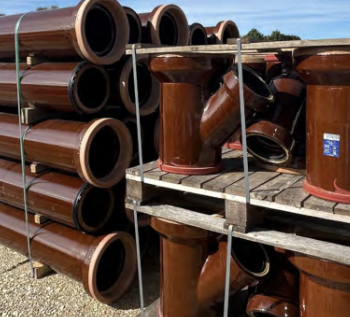
Why vitrified clay pipes are reclaiming their role in built projects.

Research by construction PR consultancy LMC published.
Roles and responsibilities of domestic clients

ACA Safety in Construction guide for domestic clients.
Fire door compliance in UK commercial buildings

Architect and manufacturer gives their low down.
Plumbing and heating for sustainability in new properties
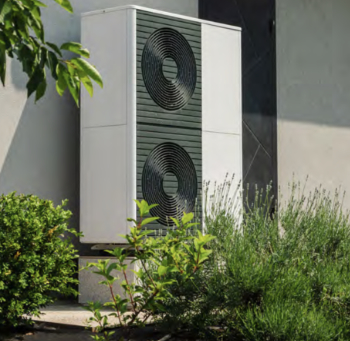
Technical Engineer runs through changes in regulations, innovations in materials, and product systems.
Awareness of the Carbon Border Adjustment Mechanism
What CBAM is and what to do about it.
The new towns and strategic environmental assessments
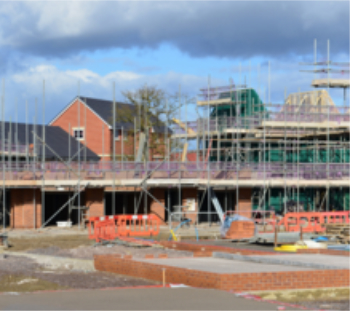
12 locations of the New Towns Taskforce reduced to 7 within the new towns draft programme and open consultation.
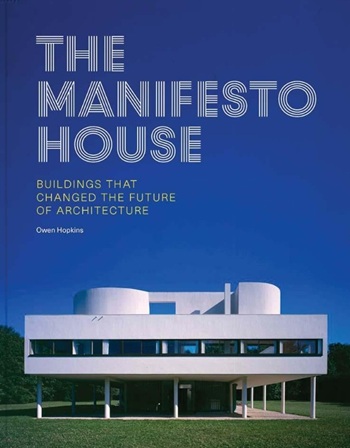
Buildings that changed the future of architecture. Book review.
The Sustainability Pathfinder© Handbook
Built environment agency launches free Pathfinder© tool to help businesses progress sustainability strategies.
Government outcome to the late payment consultation, ECA reacts.
IHBC 2025 Gus Astley Student Award winners

Work on the role of hewing in UK historic conservation a win for Jack Parker of Oxford Brookes University.
Future Homes Building Standards and plug-in solar
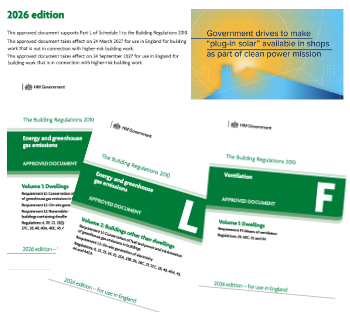
Parts F and L amendments, the availability of solar panels and industry responses.
How later living housing can help solve the housing crisis
Unlocking homes, unlocking lives.
Preparing safety case reports for HRBs under the BSA
A new practical guide to preparing structural inputs for safety cases and safety case reports published by IStructE.
Male construction workers and prostate cancer

CIOB and Prostate Cancer UK encourage awareness of prostate cancer risks, and what to do about it.