





Types of blinds

|
| Roman blinds |
Blinds are a type of window covering. There are many different types, but they typically incorporate individual pieces of fabric, timber or plastic (louvres or slats) hung vertical or horizontal which can be opened or closed to control privacy and light levels.
Blinds can be either ready-made (manufactured to standard sizes and cut to fit windows), or made-to-measure (manufactured and cut to bespoke window size).
Some of the most common types of blinds include:
- Vertical: Vertical lengths of material, usually fabric, that can be controlled with a sidewinder and cord or a long, thin plastic device called a 'wand'.
- Roman: Horizontal lengths of fabric folds that open and close by stacking up and down. There may be a plastic hook (cleat) around which the cord can be tied when the blinds are opened.
- Roller: A roll of fabric which wraps around a tube at the top of the window, usually with a sidewinder to roll the fabric up or down.
- Venetian: Horizontal lengths of metal, timber or plastic slats which are tilted to open or close. A cord can also be used to lift and lower the slats.
- Pleated: Folds of fabric that concertina upwards, with a cord as control device.
- Perfect fit: This type of blind fits in the frame between the beading and glazing of a window. A tab operation is used to open and close.
- Skylight: Comprises a single layer of fabric that fits within a frame, with a tab operation to open and close.
- Shutters: Timber louvred panels positioned within a frame with a wand to control.
[edit] Related articles on Designing Buildings
Featured articles
Check out some of the best features and news from Designing Buildings as well as key stories from around the web.

The hidden risk in modern construction supply chains.
Construction Management, 10 June

24 months to 14: CITB launches accelerated apprenticeships.
Bridging the gap between clients and contractors

Concerns remain around contractor quality, capability, and delivery.
Construction Management, 10 June.
Heat pumps beat boilers in new home tests.
Building Safety Act implementation in Wales

CIAT to host industry panel on 26 June.
New and updated CLC building safety guidance.
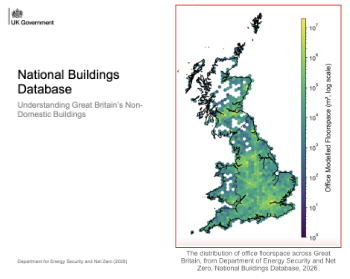
New UK National Buildings Database.
Building Safety Wiki Interviews

Chief executive of the British Woodworking Federation.
Planning condition discharge in England and Wales

A brief explanation from a building compliance expert, with further links.
Overheating guidance and tools for building designers

Guidance for dealing with element of building fabric control that have increasing importance.
Shading for housing, a design guide

From the Good Homes Alliance and British Blind and Shutter Association.
Comments