




Thermoplastic line marking
Thermoplastic line marking is widely used for durable and long-lasting road and surface markings on asphalt and concrete. When heated and applied, the material bonds to the surface, creating highly visible lines that resist weathering, abrasion and fading.
Because it sets quickly, thermoplastic is ideal for busy areas such as car parks, schools, industrial yards and public highways, reducing disruption during installation. Glass beads are often added to improve night-time visibility, helping keep pedestrians, drivers and workers safe.
Proper surface preparation is essential to ensure long-term adhesion and a clean finish. Thanks to its low maintenance, reflectivity and long life, thermoplastic remains a leading choice for permanent traffic and safety applications.
Featured articles
Check out some of the best features and news from Designing Buildings as well as key stories from around the web.
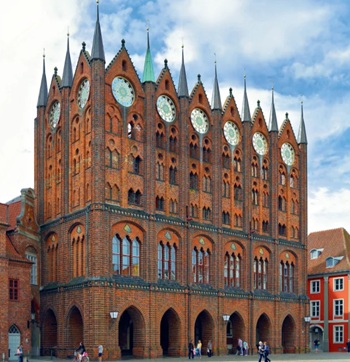
Bringing together expertise and creating cultural benefits.

CIOB celebrates positive Ofsted report.

The Building Safety Regulator announces a call for evidence.

Government approach could undermine delivery and regeneration.
World's first mass timber data centre.

The overlooked environmental aspect of data centre development.
Introduction to radon awareness

New technical information sheet published by CIOB.

Updated supplier guide can help electrical contractors engage with NHP.

CIAT confirm the winners of the 2026 architectural technology awards.

Government launches a one stop shop for flood preparedness.

Sir Edwin Lutyens: Britain's greatest architect? Book review.

CIOB publishes free template to help assess and manage risks.
ECA's reflections on Party Conference season

Burnham wants to be confident of winning before asking for a fresh mandate.