





Motivation theories
Theories of motivation refer to the various explanations and models that attempt to understand why people behave in certain ways and what drives them to achieve certain goals or outcomes. Some of the most well-known theories of motivation include:
Maslow's Hierarchy of Needs: This theory proposes that people have a hierarchy of needs, starting with basic physiological needs (such as food and shelter) and moving up to higher-level needs such as self-actualisation and self-esteem.
Herzberg's Two-Factor Theory: This theory suggests that there are two sets of factors that motivate people: hygiene factors (such as salary and working conditions) that prevent dissatisfaction and motivation factors (such as recognition and personal growth) that lead to satisfaction.
Expectancy Theory: This theory proposes that people are motivated to act based on their expectations of the outcomes that will result from their actions. This includes their belief in their ability to perform the task and the value they place on the outcome.
Equity Theory: This theory suggests that people are motivated by a desire for fairness and equity. This means that individuals compare their inputs (such as effort and time) and outputs (such as rewards and recognition) to those of others in the organisation.
Goal-Setting Theory: This theory proposes that people are motivated by setting specific, challenging goals and receiving feedback on their progress toward those goals.
Self-Determination Theory: This theory suggests that people are motivated when they have a sense of autonomy, competence, and relatedness. Autonomy refers to the ability to make choices and control one's own destiny, competence refers to the ability to perform tasks successfully, and relatedness refers to the sense of connection with others.
These are just a few of the many theories of motivation that exist. Each theory has its own strengths and weaknesses and can be applied in different situations depending on the context and the individuals involved.
[edit] Related articles on Designing Buildings
- Adaptability.
- Adaptation.
- Collaborative practices for building design and construction.
- Construction organisations and strategy.
- Emotional Intelligence in Construction.
- Intergovernmental Panel on Climate Change.
- Leadership styles.
- Relationship management.
- Team behavioural roles.
- Team building.
[edit] External links
Featured articles
Check out some of the best features and news from Designing Buildings as well as key stories from around the web.

Why construction can't afford to ignore the skills gap.
Building Safety Regulator, 19 August

Gill Kernick appointed Independent Chair of Residents’ Panel.
Connecting knowledge, technology and conservation
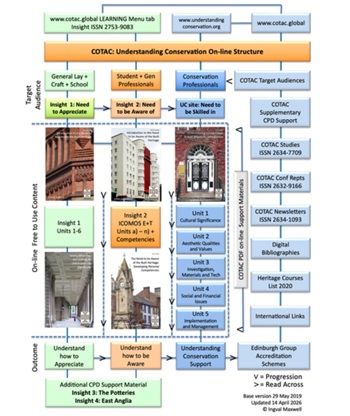
Building competence for the future of built heritage.
Building Regulations and Building Safety Act

CIOB publishes free advice for non-domestic clients.

Building Safety Newsletter from MHCLG.

An extraordinary record of steel engineering worldwide.

Households living near new pylons to save on bills.

ECA warns growth must not outpace grid capacity or skills.
The role of the client and decision making

CIOB response to built environment professions call for evidence.
Construction's sustainability reporting revolution

Tracking upfront embodied carbon with digital tools.
ECA welcomes procurement reforms

Public spending must back British jobs and skills.
Campaigning for Edinburgh: the Cockburn Association 1875-2049

The role of the civic voice in protecting character. Book review.