





Main author
Mshehroz001The Ultimate Guide for Accurate Stair Design
Contents |
[edit] Introduction
Designing a staircase may seem like a simple task, but it requires careful planning and precise calculations. Even a small mistake in measurement can lead to uneven steps, discomfort, and safety risks. This is why a Stair Calculator has become an essential tool for builders and homeowners alike.
A stair calculator simplifies complex calculations and helps you achieve perfect measurements in seconds. Whether you are working on a professional construction project or a DIY home improvement task, this tool ensures your staircase is safe, functional, and visually appealing.
[edit] Stair Calculator and Its Importance
A Stair Calculator is designed to calculate important dimensions such as riser height, tread depth, and the total number of steps. These elements are crucial for creating a staircase that is comfortable and easy to use.
Without proper calculations, stairs can become difficult to climb and may not meet safety standards. A stair calculator ensures that each step is evenly spaced, improving balance and reducing the risk of accidents.
It is widely used in construction and renovation projects to maintain accuracy and consistency.
[edit] How a Stair Calculator Works
A Stair Calculator works by taking basic inputs such as total vertical height and available horizontal space. Once these values are entered, the tool automatically calculates the number of steps required.
It also determines the ideal height of each riser and the correct depth of each tread. This removes the need for manual calculations and reduces the chances of errors.
The result is a staircase with proper proportions and a comfortable walking angle.
[edit] Benefits of Using a Stair Calculator
Using a Stair Calculator offers many advantages. One of the main benefits is accuracy. It ensures that all steps are uniform, which is essential for safety and comfort.
Another advantage is time saving. Instead of spending hours on calculations, you can get instant results. It also reduces mistakes, helping you avoid unnecessary costs.
In addition, it minimises material waste by guiding precise measurements and cuts. The tool is simple to use and suitable for both beginners and professionals.
[edit] Stair Calculator for DIY Projects
A Stair Calculator is especially helpful for DIY home projects. Many homeowners want to build their own stairs but struggle with measurements.
With a stair calculator, you can plan your staircase effectively and ensure that all dimensions are correct. This helps you avoid common problems such as uneven steps or incorrect angles.
It is ideal for building deck stairs, basement stairs, and indoor staircases.
[edit] Common Mistakes Avoided by Stair Calculator
A Stair Calculator helps prevent common mistakes such as uneven riser heights, incorrect tread depth, and poor alignment. These errors can make stairs unsafe and uncomfortable.
By using this tool, you can ensure that your staircase is designed correctly from the start. This results in a stronger and more reliable structure.
[edit] Conclusion
A Stair Calculator is a powerful and practical tool for stair construction. It simplifies the design process, improves accuracy, and ensures safety. Whether you are a professional contractor or a DIY enthusiast, using this tool can help you achieve excellent results.
With proper planning and precise measurements, you can build a staircase that is durable, comfortable, and perfectly aligned.
[edit] FAQs About Stair Calculator
[edit] What is a Stair Calculator used for
A Stair Calculator is used to calculate stair dimensions such as riser height, tread depth, and number of steps.
[edit] Is a Stair Calculator easy to use
Yes, it is simple and user friendly for all users.
[edit] Can beginners use a Stair Calculator
Yes, beginners can easily use it for DIY projects and get accurate results.
[edit] How accurate is a Stair Calculator
A Stair Calculator is highly accurate when correct measurements are entered.
[edit] Why should I use a Stair Calculator
It saves time, reduces errors, and ensures your staircase is safe and properly designed.
[edit] External inks
Featured articles and news
The future workforce: culture change and skill

Under the spotlight at UK Construction Week London.

A landmark moment for postmodern heritage.
A safe energy transition – ECA launches a new Charter

Practical policy actions to speed up low carbon adoption while maintaining installation safety and competency.
Frank Duffy: Researcher and Practitioner

Reflections on achievements and relevance to the wider research and practice communities.
The 2026 Compliance Landscape: Fire doors

Why 'Business as Usual' is a Liability.
Cutting construction carbon footprint by caring for soil
Is construction neglecting one of the planet’s most powerful carbon stores and one of our greatest natural climate allies.
ARCHITECTURE: How's it progressing?
Archiblogger posing questions of a historical and contextual nature.
The roofscape of Hampstead Garden Suburb

Residents, architects and roofers need to understand detailing.
Homes, landlords. tenants and the new housing standards

What will it all mean?
The Architectural Technology podcast: Where it's AT

Catch-up on the latest episodes.
Edmundson Apprentice of the Year award 2026

Entries now open for this Electrical Contractors' Association award.
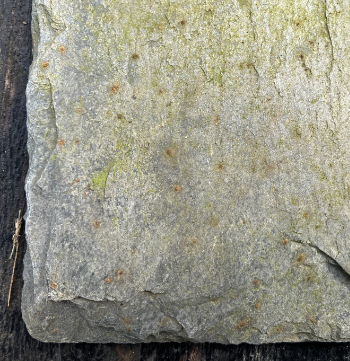
Traditional blue-grey slate from one of the oldest and largest UK slate quarries down in Cornwall.

There are plenty of sources with the potential to be redeveloped.
Change of use legislation breaths new life into buildings

A run down on Class MA of the General Permitted Development Order.
Solar generation in the historic environment

Success requires understanding each site in detail.