





Loss and damage in brief

Contents |
[edit] Introduction
The term loss and the term damage has very specific legal definitions in different circumstances, particularly in the construction industry. Internationally it is associated with loss or repairable damage that has been caused by the manifestations or impacts of climate change.
[edit] Construction contracts
Loss in the construction industry, generally relates to losses incurred by one or more parties to the construction contract, such as in the term loss and expense. Damages relating to a breach of contract are intended to be a measure of compensation relative to failure of contractual promises. The award of damages in respect of tortious liability is intended to place an innocent party back in the position they were before the breach of the duty, thus awards of damages for breach of contract may be greater than awards of damages in tort.
[edit] International negotiations
Internationally, loss and damage or (L&D) is a somewhat interpretable phrase but one that refers to permanent loss or repairable damage caused by the manifestations of climate change. Its use, definition and management is contentious; it may include extreme and sudden weather events, but also the slower onset of climatic change such as sea level rise or desertification. It can also be used in reference to both economic and non-economic loss, such as loss of life, ecosystem loss, loss of cultural heritage, or settlements.
[edit] Origins at the Conference of Parties (COP)
The joint term loss and damage was initially used during UN climate negotiations in the early 1990's when the Republic of Vanuatu, a small island country located in the South Pacific Ocean, proposed creating an insurance scheme for countries likely to be impacted by rising sea levels, later coming to be known as the Alliance of Small Island States (AOSIS).
In the 2009 COP in Copenhagen, developed countries agreed to mobilise $100 billion (€101bn) a year by 2020. COP 17 agreed to continue technical work under three thematic areas, and national and international approaches and mechanisms. At COP18 in 2012 parties acknowledged the necessity of strengthening institutional arrangements to address L&D in particularly vulnerable developing countries.
In 2013 at COP 19 the Warsaw International Mechanism (WIM) was established to “address loss and damage associated with impacts of climate change, including extreme events and slow onset events, in developing countries that are particularly vulnerable to the adverse effects of climate change” (Decision 2/CP.19). The levels and payments of compensation have continued to be a matter of contention throughout following COP meetings.
At COP26 in Glasgow, developing nations stated the fund should be paid by large emitters, in grants rather than loans and in 2021 Denmark and Scotland agreed to pay set amounts as part of the loss and damage mechanism. Indication from the UN emissions gap report found levels being paid were around 34 per cent of the total amount initially agreed in 2009.
In 2022 at the COP27 negotiations in Egypt, funding arrangements for loss and damage were included on the formal agenda, it continues to be a key issue to be resolved.
[edit] Related articles on Designing Buildings
- Damages in construction contracts.
- Loss in the construction industry.
- Climate change science.
- Climate adaptation.
- Adaptability.
- Building flood resilience.
- Business resilience.
- Hurricane design considerations.
- Risk assessment.
[edit] External references
- https://unfccc.int/topics/adaptation-and-resilience/the-big-picture/introduction-to-loss-and-damage
- A. DURAND, S. HUQ, “Defining Loss and Damage: Key Challenges and Considerations for Developing an Operational Definition”, International Centre for Climate Change and Development, 2014.
Featured articles
Check out some of the best features and news from Designing Buildings as well as key stories from around the web.

Accommodating the Victorian and Edwardian working woman. Book review.
Rethinking passive fire protection in design

PFP demands the same level of design rigour as structure or services.

38% of Gen Zs feel safe when a fire door is wedged open.
Stunning images from around the world

Shortlist for CIOB’s Art of Building photography competition.

Guidance for conversion of traditional pre-1919 stone buildings.
Industrial heritage in the Ruhr

A marked difference to the fate of industrial landscapes in the UK.
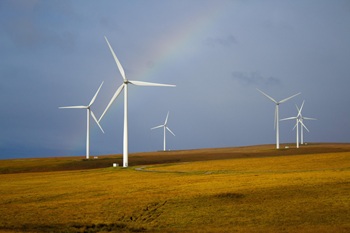
Communities will be able to build their own clean energy.
Why diversity and inclusion matters for SMEs

CIOB’s D&I Charter shows how practical changes can support long-term growth.
Cut electricity bills to power growth

Coalition sends joint letter to the Chancellor.

Gasholders: a history in pictures. Book review.
Recognition, influence and growth
SocEnv identifies three strategic pillars in new strategy to 2045.
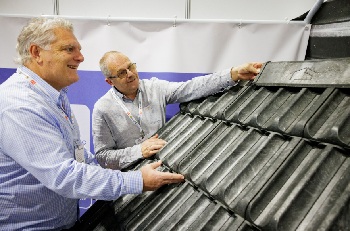
Discover the future of roofing, cladding and insulation.
Comments
[edit] To make a comment about this article, click 'Add a comment' above. Separate your comments from any existing comments by inserting a horizontal line.