





Building related illness
People in industrialised countries spend over 90% of their lives in indoor environments; therefore symptoms and illness related to these environments are common. The term building-related illness (BRI) is used to refer to disorders associated with, and directly caused by, being in and around a building.
BRIs differ from sick building syndrome (SBS) because the causes can be determined, whereas SBS is used as a term to refer to symptoms of acute health and/or comfort effects for which no specific cause can be found but that can be attributed to time spent in a particular building.
BRIs and stresses are caused by a number of factors such as:
- Biological factors.
- Physical factors.
- Chemical factors.
- Organisational and management factors.
- Psychological and psychosomatic factors.
The most common indicators of BRIs include:
- Occupants of a building experience symptoms such as coughing, chest tightness, fever, chills, muscle aches.
- The symptoms can be clinically defined and have clearly identifiable causes.
- After leaving the building, complainants may require prolonged recovery times.
Examples of BRIs include the following:
- Legionella infection.
- Occupational asthma.
- Hypersensitivity pneumonitis.
- Inhalational fever.
- Humidifier fever.
[edit] Related articles on Designing Buildings Wiki
- Building design.
- Building pathology.
- Design quality.
- Designing for employee wellbeing.
- Ergonomics in construction.
- Growing focus on IAQ challenges for specifiers and HVAC manufacturers.
- Health and safety consultant.
- Health effects of indoor air quality on children and young people.
- Human comfort in buildings.
- Humidistat.
- Humidity.
- Indoor air quality.
- Indoor environmental quality.
- Noise nuisance.
- Phobias.
- Sick building syndrome.
- TG10 2016 At a glance, wellbeing.
- Thermal comfort.
- Thermal comfort and wellbeing.
- The full cost of poor housing.
- Ventilation.
- Wellbeing.
[edit] External references
Featured articles
Check out some of the best features and news from Designing Buildings as well as key stories from around the web.

The heritage of nuclear and conventional power stations.
New measures to stop people being ripped off

Government to protect families from cowboy builders and aggressive bailiffs.

New Futurebuild showcase brings an innovation-first approach.
National Planning Policy Framework
Understanding the 2026 changes.
ECA's public affairs priorities

Member consultation opens to shape priorities for 2027 to 2030.

Dutyholder responsibilities from 1 July 2026.
Where performance meets practice

The Building Envelope Stage at UKCW Birmingham.

CIAT publishes briefing on planning reforms.
Leaders in Learning for Practice Network

Call for conservation leaders in learning to register interest in new network.
The importance of early engagement
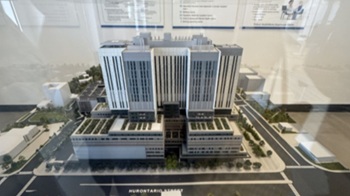
Construction lessons from the Trillium HealthWorks Experience Centre.
Mayors are to be given planning call in powers

Mayors across England will be able to make the most important planning decisions.

The Master Builder: William Butterfield and his times. Book review.
Comments
Very interesting that you do not list the serious toxic molds and mycotoxins which the WHO describes as the epidemic of 21st century with ramifications worse than asbestos!
The diseases caused by moldy buildings can be tested for but only by specialists because your basic GP or local doctor will put you through series of USELESS tests that will give false negatives as results for urine/blood. But if correct testing is done then the species of mold can be detected, treatments started and remediation of the building/dwelling can begin. Lots of sources starting in late 1990s describe these symptoms and diseases and how LETHAL they are!
And still you design 'airtight' buildings with poor ventilation, ignore WHO, CDC, Aspergillus Centre (manchester, uk) and lawsuits and proof worldwide including USA, Canada, UK, Australia, Italy, Ireland, etc etc.
Shame on you for such an incomplete article but at least you do say it is different than 'sick building syndrome'!