





Area type
The National Model Design Code, published by the Ministry of Housing, Communities & Local Government in January 2021, defines area type as:
‘Parts of the local area that share common features and characteristics. For example, a suburban area type might bring together a number of different housing estates with common densities, heights, building line, party wall condition etc.) under the umbrella term “outer suburbs”. Common rules and parameters can then be applied to the “outer suburbs” area type in the design code. Example area types are provided in the National Model Design Code, but in practice area types should be defined locally.’
An area type matrix is: ‘A table detailing the elements of the design code that are likely to differ between area types.
An area type work sheet is: ‘A set of prompts and sections to be completed, detailing the key elements and features that should be considered when undertaking a character study. This is not an exhaustive list and should be adapted locally. ‘
Housing statistics and English Housing Survey, glossary, published by the Department for Levelling Up, Housing and Communities in 2019, defines area types as:
- city centre: the area around the core of a large city
- other urban centre: the area around towns and small cities, and also older urban
- suburban residential: the outer area of a town or city; characterised by large planned housing estates
- rural which includes:
- rural residential: a suburban area of a village, often meeting the housing needs of people who work in nearby towns and cities
- village centre: the traditional village or the old heart of a village which has been suburbanised
- rural: an area which is predominantly rural e.g. mainly agricultural land with isolated dwellings or small hamlets
[edit] Related articles on Designing Buildings
Featured articles
Check out some of the best features and news from Designing Buildings as well as key stories from around the web.

Electrical contractors need to understand the practical implications.

The real barrier to getting more value from digital technology.

Your guide to The Construction Reset at UKCW Birmingham.

Accommodating the Victorian and Edwardian working woman. Book review.
Rethinking passive fire protection in design

PFP demands the same level of design rigour as structure or services.

38% of Gen Zs feel safe when a fire door is wedged open.
Stunning images from around the world

Shortlist for CIOB’s Art of Building photography competition.
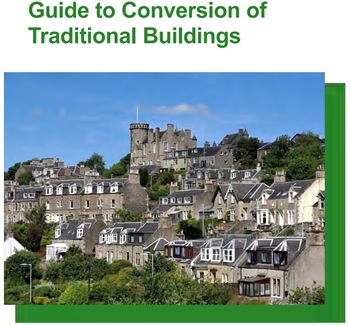
Guidance for conversion of traditional pre-1919 stone buildings.
Industrial heritage in the Ruhr

A marked difference to the fate of industrial landscapes in the UK.

Communities will be able to build their own clean energy.
Why diversity and inclusion matters for SMEs

CIOB’s D&I Charter shows how practical changes can support long-term growth.
Cut electricity bills to power growth

Coalition sends joint letter to the Chancellor.
Comments
[edit] To make a comment about this article, click 'Add a comment' above. Separate your comments from any existing comments by inserting a horizontal line.