





Stationary pump skills
Operators and relevant equipment management personnel should carefully read the operating instructions and master structural principles, operation and maintenance as well as pumping concrete operations.
The ground supporting the stationary pump should be flat and solid. The pump location should not only be convenient for the concrete mixing truck to enter and exit and feed to the hopper, it should also be accessible for the pumping distribution pipe in order to reduce pumping pressure loss. At the same time, it should be close to the pouring site and convenient for power supply and water supply.
In the process of concrete pumping, with the increment of pump pressure, pumping impact may force the pipe to move back and forth. This may result in pumping pressure loss, which can lead to damage of the pipe clamp and aprons as well as other issues.
After being connected, the concrete pump should be inspected in accordance with the operating instructions, and the machine should not be started until it meets the requirements.
When construction takes place in hot weather, it is advisable to cover the concrete conveying pipe with a wet straw bag, wet cover cloth and other materials to avoid direct sunlight and prevent the concrete from blocking the pipe.
Horizontal pipes of a certain length should be laid between the concrete pump and the vertical piping to ensure sufficient resistance to prevent the back flow of concrete.
When construction takes place in cold weather, concrete conveying pipes should be wrapped with insulation materials to prevent the concrete inside the pipe from freezing.
[edit] Related articles on Designing Buildings Wiki
Featured articles
Check out some of the best features and news from Designing Buildings as well as key stories from around the web.

Accommodating the Victorian and Edwardian working woman. Book review.
Rethinking passive fire protection in design

PFP demands the same level of design rigour as structure or services.

38% of Gen Zs feel safe when a fire door is wedged open.
Stunning images from around the world
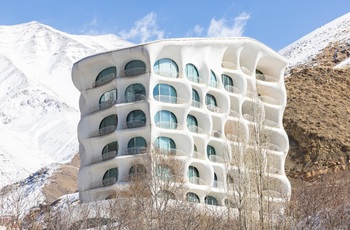
Shortlist for CIOB’s Art of Building photography competition.

Guidance for conversion of traditional pre-1919 stone buildings.
Industrial heritage in the Ruhr
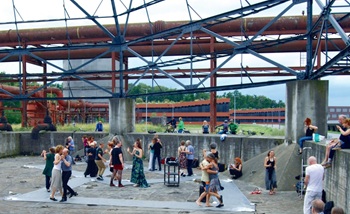
A marked difference to the fate of industrial landscapes in the UK.

Communities will be able to build their own clean energy.
Why diversity and inclusion matters for SMEs

CIOB’s D&I Charter shows how practical changes can support long-term growth.
Cut electricity bills to power growth

Coalition sends joint letter to the Chancellor.

Gasholders: a history in pictures. Book review.
Recognition, influence and growth

SocEnv identifies three strategic pillars in new strategy to 2045.
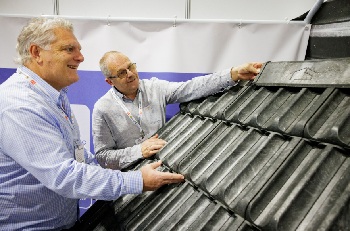
Discover the future of roofing, cladding and insulation.